
What Does Hail Damage Look Like on a Roof?
Sep 05, 2025At a Glance: Hail damage on a roof typically appears as random dark spots or dents where roof granules have been knocked away. These marks are usually round in shape and feel soft or bruised when touched. The full extent of damage from severe storms might not be visible at first glance, so it’s important to contact a professional if you see any initial signs.
Finding hail damage on your roof early can prevent serious problems down the road. When hailstones strike your home, they can cause roof damage that might not be obvious at first glance but can lead to leaks and structural issues over time. Different roofing materials show distinct patterns of hail damage – from circular dents in asphalt shingles to cracks in clay tiles or splits in wood shingles.
Common Signs of Hail Damage
Identifying hail damage on your roof requires careful inspection of several key areas. On some shingles, hail can leave distinctive round or circular spots where the impact occurred. These spots often appear dark and feel soft to the touch. When hail strikes forcefully, it can dislodge the protective granules that coat the shingles, creating bare spots that expose the underlying black substrate material.
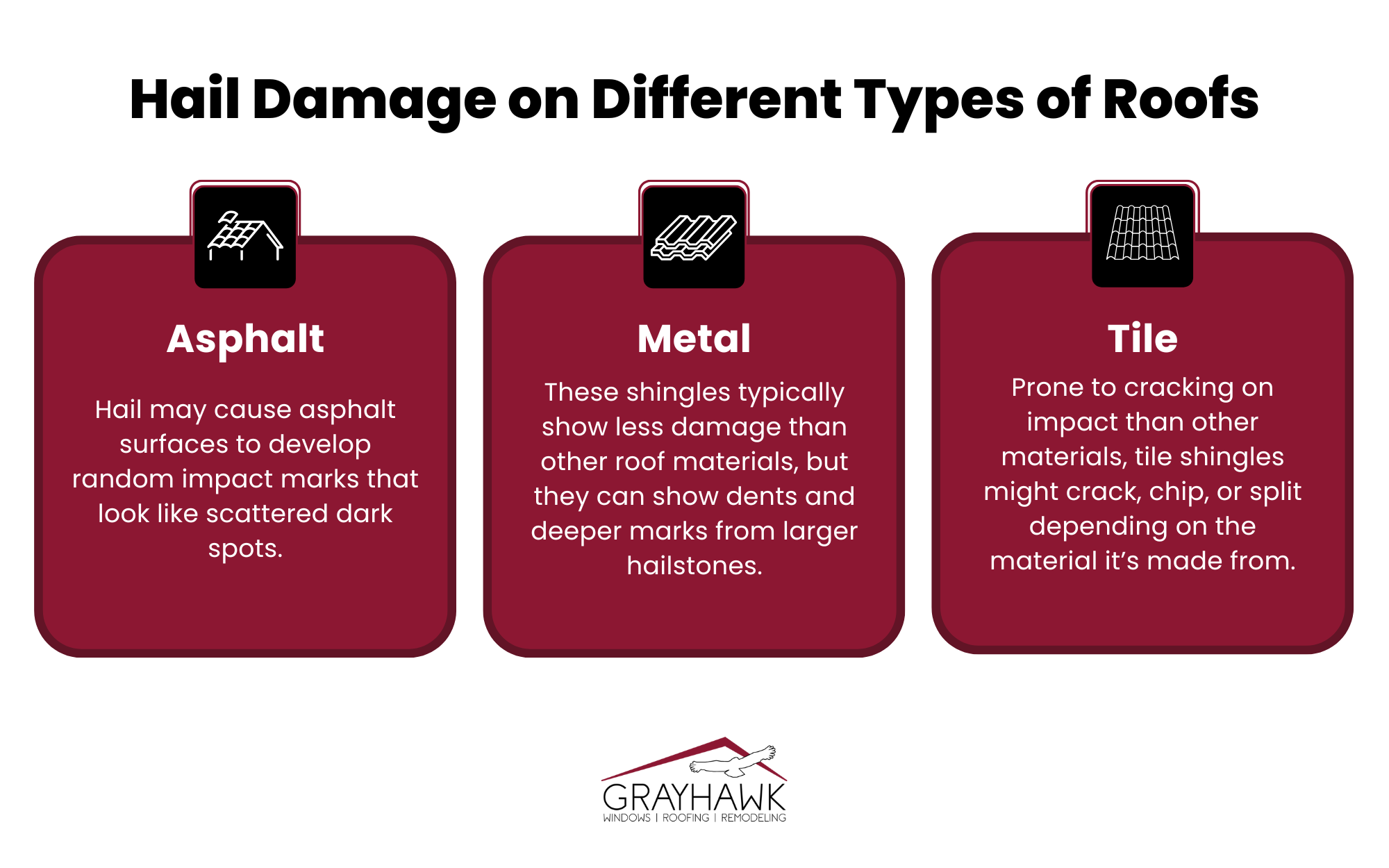
Different roofing materials show unique damage patterns after a hailstorm:
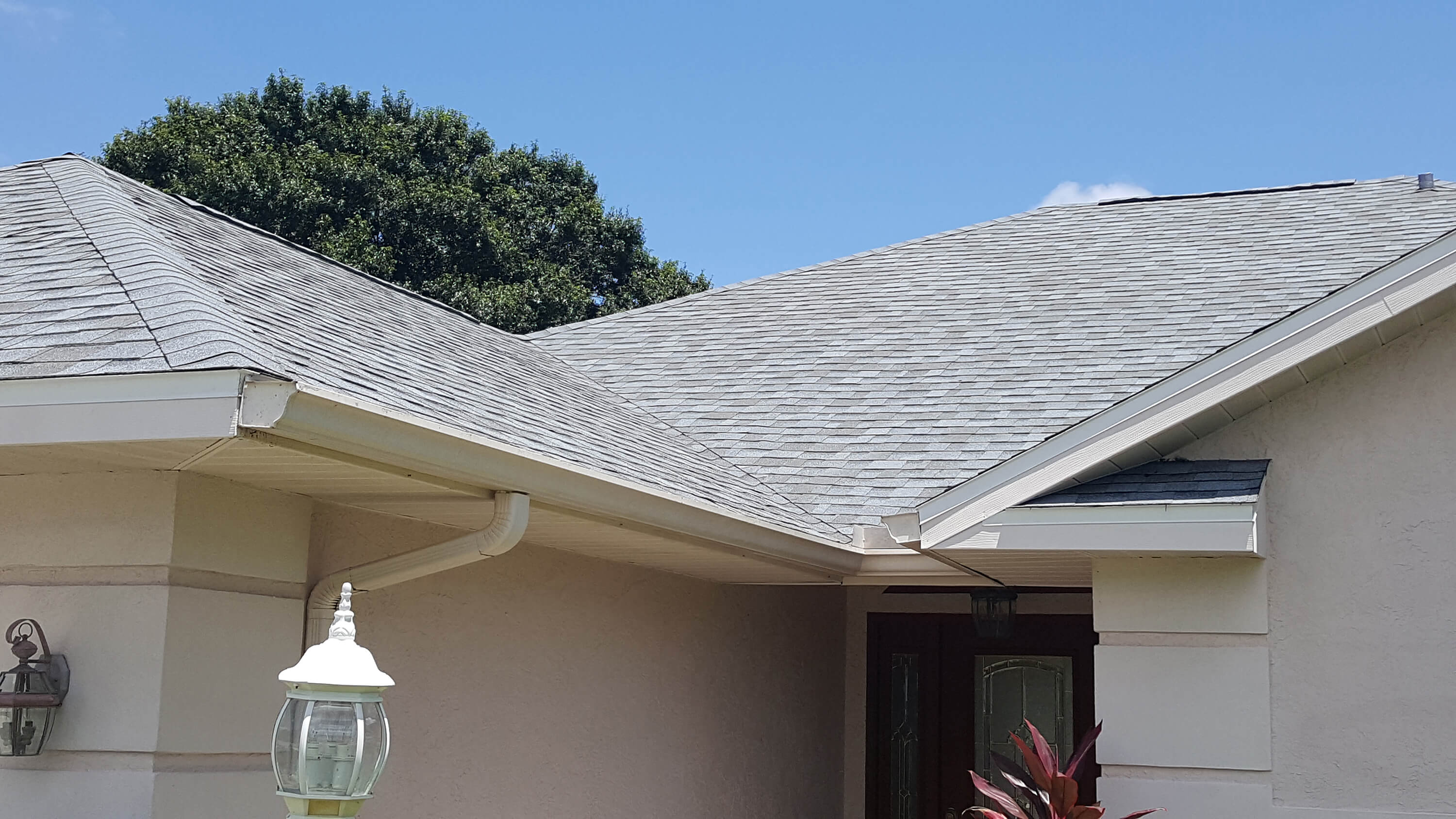
Asphalt Roof Shingles
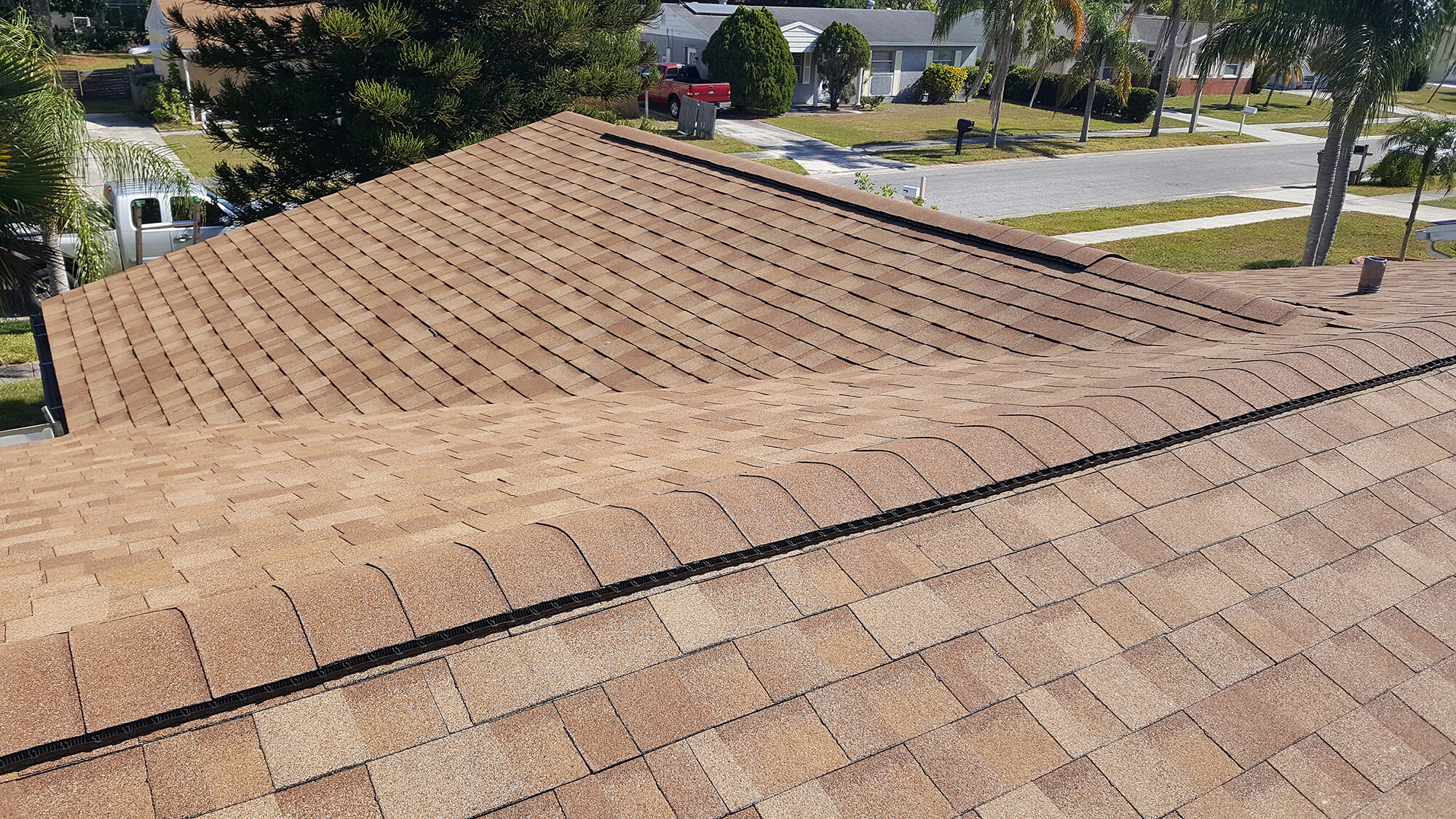
Hail may cause asphalt surfaces to develop random impact marks that look like scattered dark spots. Asphalt shingles tend to show damage more readily than metal roofing.
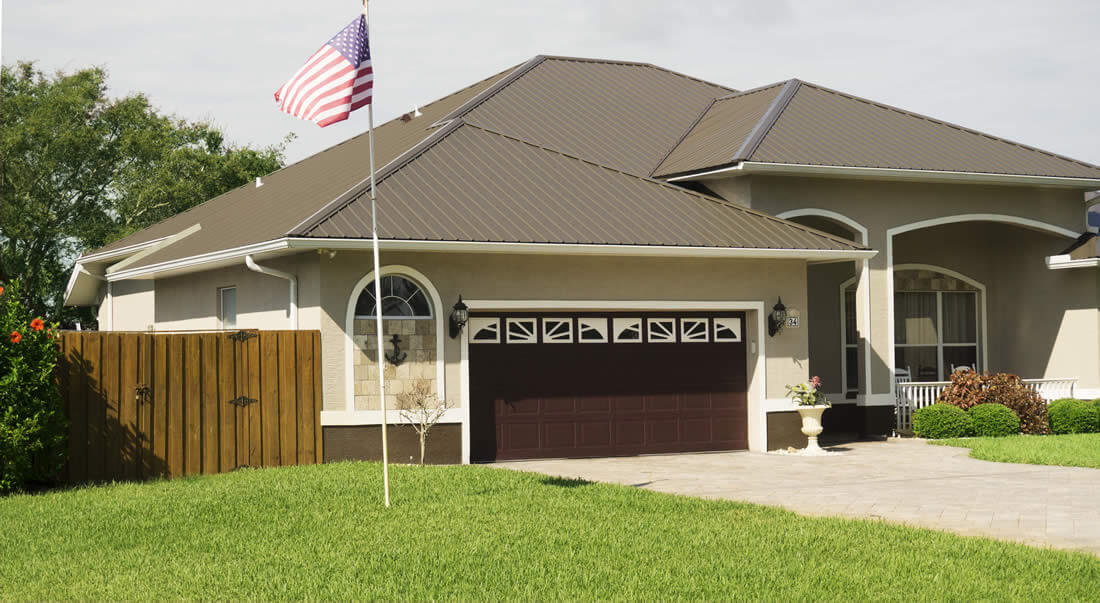
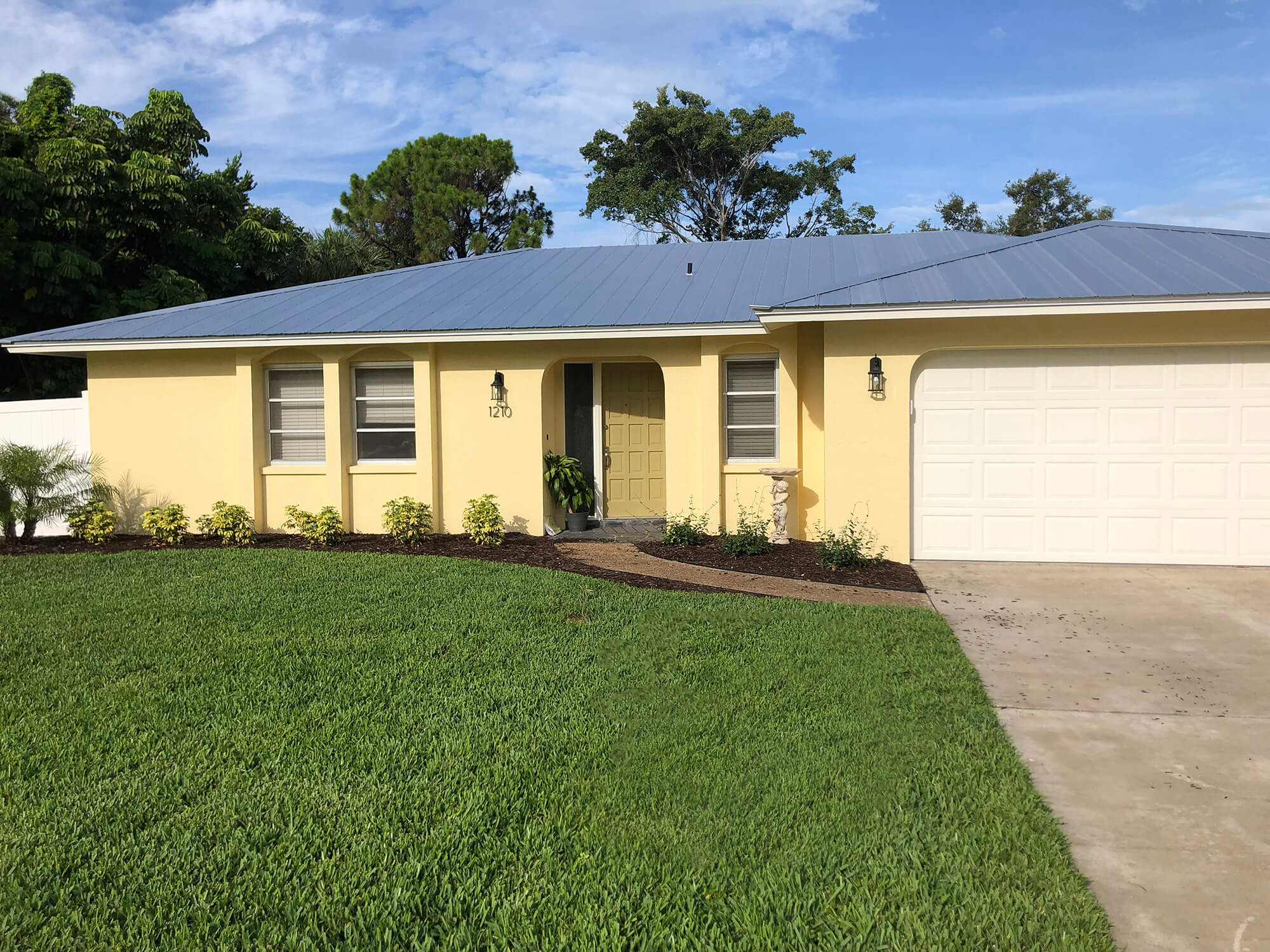
Metal Roofing
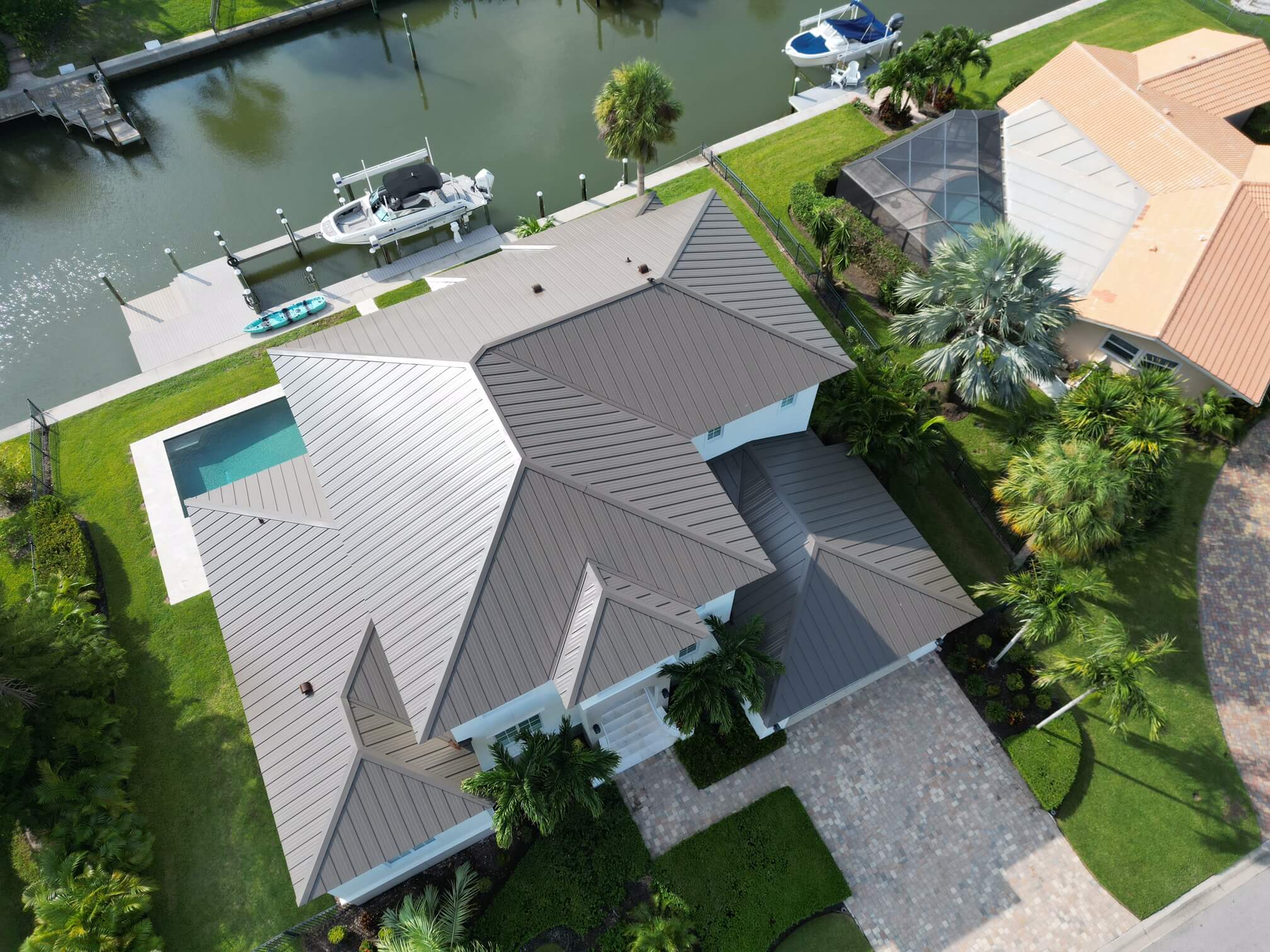
These shingles often show dents or dings that catch the light at certain angles, with larger hailstones potentially creating deeper depressions.
Tile Roofs
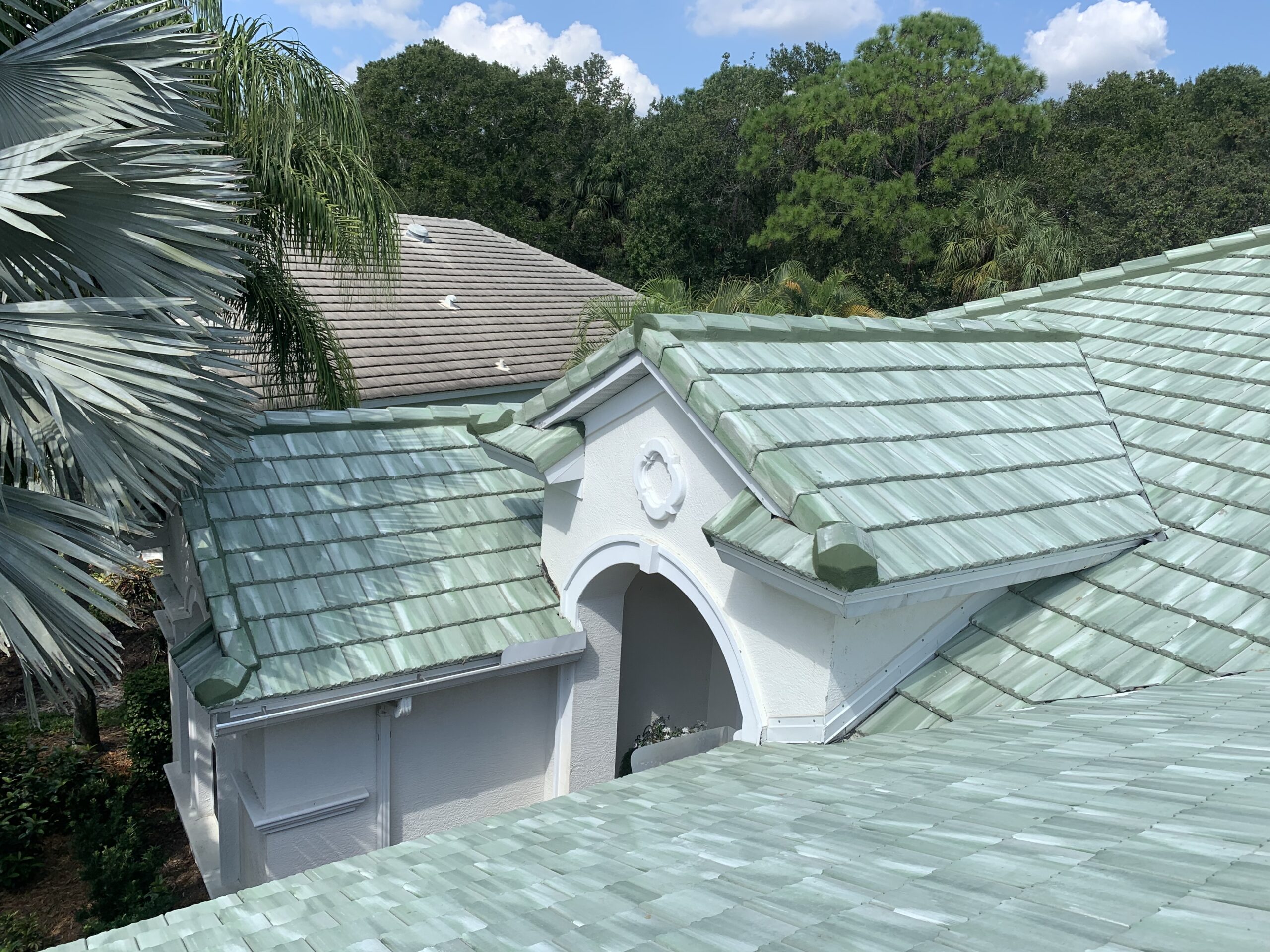
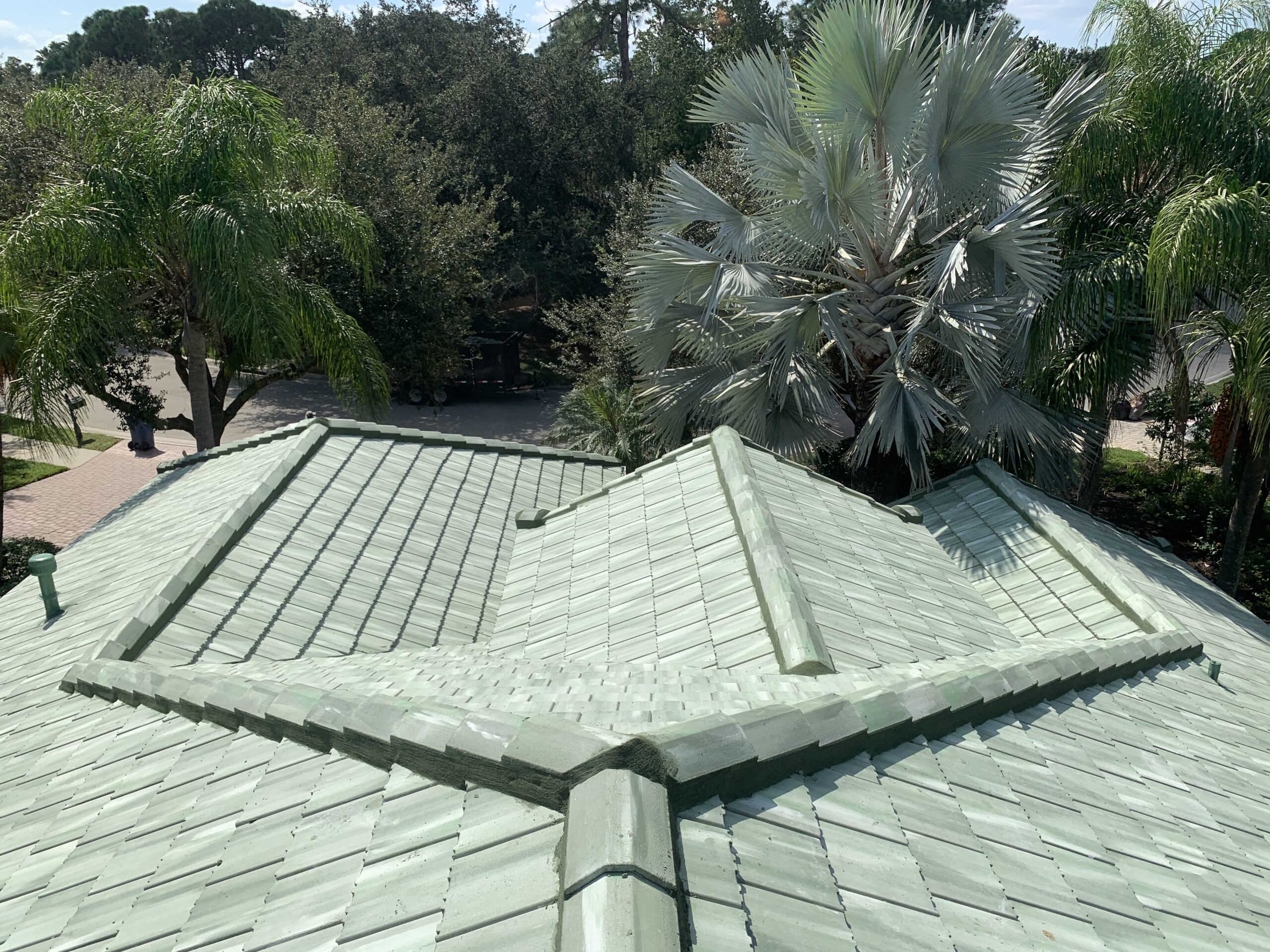
Clay or concrete tiles can crack or chip at the impact points, while wood shakes might split or show deep impact marks. Tile roofs may crack on impact rather than dent like asphalt or metal roofs.
A thorough roof inspection should also examine other components beyond the main roofing material.
- Gutters and Downspouts: These frequently display dents or dings from hail impacts, which can affect proper water drainage.
- Metal Roof Vents & Flashing: These may show denting similar to damage on metal roofs.
- Skylights: These are particularly vulnerable to potential damage since hail can crack the glass or damage the frame and weatherstripping.
These collateral areas often provide clear evidence of roof hail damage even when damage to the main roof surface isn’t immediately obvious.
How to Inspect Your Roof After a Hailstorm
When and How to Prepare
The best time to inspect your roof for hail damage is within a few days after the storm, during daylight hours with clear weather conditions. Never attempt an inspection during or immediately after the storm, when surfaces are still wet and slippery.
Before starting your inspection, gather these basic tools:
- Digital Camera or Smartphone
- Notepad & Pen
- Flashlight for Examining Darker Areas
- Binoculars for Ground-Level Examination (if needed)
- Work Gloves (if handling debris)
Ground-Level Inspection Steps
Start your inspection from the ground using binoculars. Look for these specific signs:
- Missing or Displaced Shingles
- Dark Spots or Dents on Shingles
- Granules Collecting in Gutters or Downspouts
- Damaged Metal Vents or Flashing
Focus your attention on:
- Roof Edges & Corners
- Areas Around Chimneys & Vents
- Gutters and Downspouts
- Metal Surfaces for Obvious Denting
Pro Tip: Take clear photos of any damage you spot, noting the location and extent of the damage. These photos will be valuable for insurance claims and professional assessments.
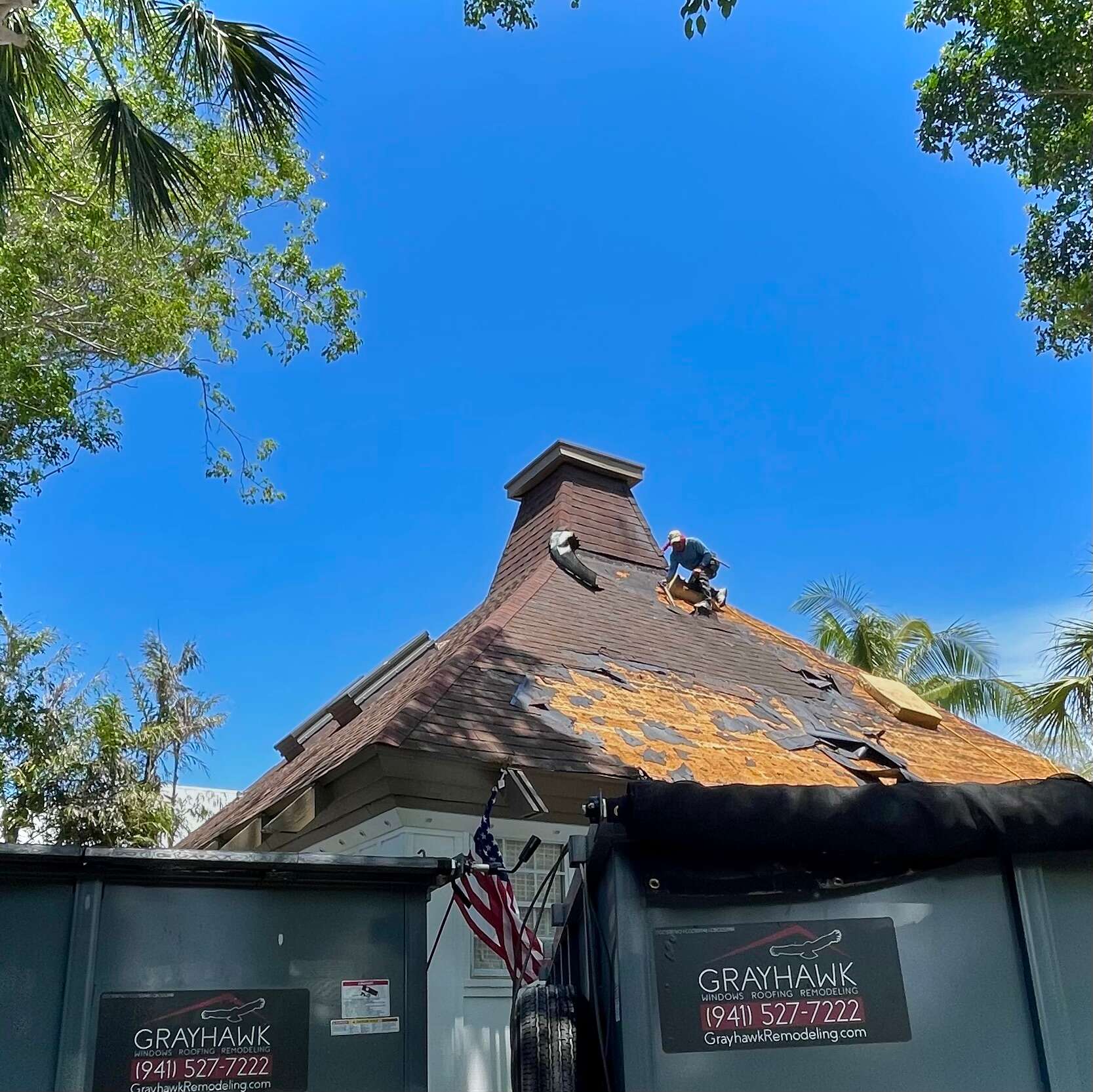
Professional Assessment Guidelines
Professional roofers typically examine:
- Individual shingle damage patterns
- Integrity of roof decking
- Condition of underlayment
- Ventilation system damage
- Flashing around roof penetrations
Qualified contractors will pay special attention to:
- North and west-facing slopes that often receive the worst damage
- Areas where multiple shingles show impact marks
- Signs of water infiltration in the attic
- Structural integrity of roof vents and covers
Professionals document their findings with detailed photos, measurements of damaged areas, and written reports describing the type and extent of damage found. This documentation helps streamline insurance claims and repair planning.
If you spot any obvious damage during your ground inspection, or if you’re unsure about what you’re seeing, contact a professional roofing contractor. Walking on a hail-damaged roof can be dangerous and might create further damage to your home.
Understanding Hail Damage Severity
The severity of hail damage on your roof depends largely on the size of hailstones, the extent of the storm, and your roof’s current condition. Severe weather like thunderstorms and strong winds can accompany a hail storm, so it’s important to keep an eye out for any worrying signs
Hail Size
Hail that is under 1 inch in diameter is considered non-severe. This might leave dark spots or granule loss on an asphalt shingle roof but rarely causes significant damage to the structure.
- Pea-Sized Hail: ¼ inch diameter
- Mothball-Sized Hail: ½ inch diameter
- Penny-Sized Hail: ¾ inch diameter
- Quarter-Sized Hail: 1 inch diameter
Any hail that is larger than a quarter-sized hail is considered severe. This can create visible damage like dents and cracks as well as extensive damage to the underlying structure.
- Ping-Pong Ball-Sized Hail: 1 ½ inch
- Golf Ball-Sized Hail: 1 ¾ inch
- Tennis Ball-Sized Hail: 1 ½ inch
- Tea Cup-Sized Hail: 3 inches
Impact Based on Roof Age
Your roof’s age plays a major role in how it handles hail impacts.
- New Roofs: These generally provide better resistance to hailstorms thanks to flexible materials and intact protective layers, especially roofs under 5 years old.
- Older Roofs: These are more brittle and susceptible to severe damage, especially if it has previous water damage or storm damage; even smaller hail can cause significant problems.

Repair Timeline Considerations
When addressing hail damage, timing matters. Immediate concerns include broken shingles, exposed underlayment, or holes that need emergency patching to prevent water intrusion.
- Short-Term Effects: Within 3-6 months, unaddressed minor damage can worsen, especially around damaged seals or loosened shingles.
- Long-Term Effects: These often show up 1-2 years later as water slowly penetrates compromised areas, potentially leading to deck rot, mold growth, or ceiling stains. Repairing these damages can result in a full roof replacement.
Most insurance policies have specific timeframes for filing hail damage claims, typically within one year of the event. Having a professional inspection right after a hailstorm helps document damage and develop an appropriate repair strategy before secondary problems develop.
How You Can Prepare for Hail & Storm Damage on Your Roof
Identifying hail damage on your roof requires attention to specific signs, including dented or missing shingles, dark spots where granules have been knocked loose, and circular impact marks.
You can prepare for hail and other storm damages by:
- Installing durable, impact-resistant roof shingles
- Keeping track of your roof’s condition through self-inspection and professional assessments
- Installing protective screens over skylights and ensuring proper attic ventilation
- Understanding your insurance policy’s coverage limits and deductibles for hail damage
- Trusting reputable local roofing professionals for installation and repairs
While some damage may be visible from ground level, many signs of hail damage can be subtle and require close-up examination. For Florida homeowners, prompt identification and repair of hail damage is particularly important given our region’s intense weather patterns.
Partner with Grayhawk
The safest and most reliable way to assess potential hail damage is through a thorough inspection by roofing professionals. Grayhawk Remodeling’s experienced roofing technicians serve homeowners throughout Manatee and Sarasota counties with detailed roof evaluations, expert repair services, and financing solutions. With over 30 years of local experience, our team understands the unique challenges Florida roofs face.
Don’t wait until small hail damage on your roof leads to costly repairs. Get a free quote from Grayhawk Remodeling to schedule your professional roof inspection. Our skilled technicians will provide an honest assessment and recommend the most appropriate solutions for your home.