
How to Hurricane-Proof Your House
Nov 18, 2025At a Glance: Hurricane-proofing your house requires reinforcing your roof, windows, doors, garage, and outdoor areas. By focusing on these areas with proper materials and installation methods, you can significantly improve your home’s ability to withstand hurricane conditions.
Living in coastal regions means preparing for hurricane season every year. With wind speeds that can exceed 150 mph and deadly flying debris, hurricanes pose serious threats to homes in storm-prone areas. The average hurricane can cause thousands of dollars in damage to a single home through torn-off roofs, broken windows, and water infiltration. But there’s good news – proper protection measures can reduce damage from hurricanes and other extreme weather events.
Hurricane-proofing your house isn’t just about protecting your property – it’s about safeguarding your family’s shelter and preserving your most valuable investment. With climate data showing more frequent and intense storms, taking steps to strengthen your home against hurricanes helps homeowners has become a necessity for coastal homeowners
Strengthening Your Roof System
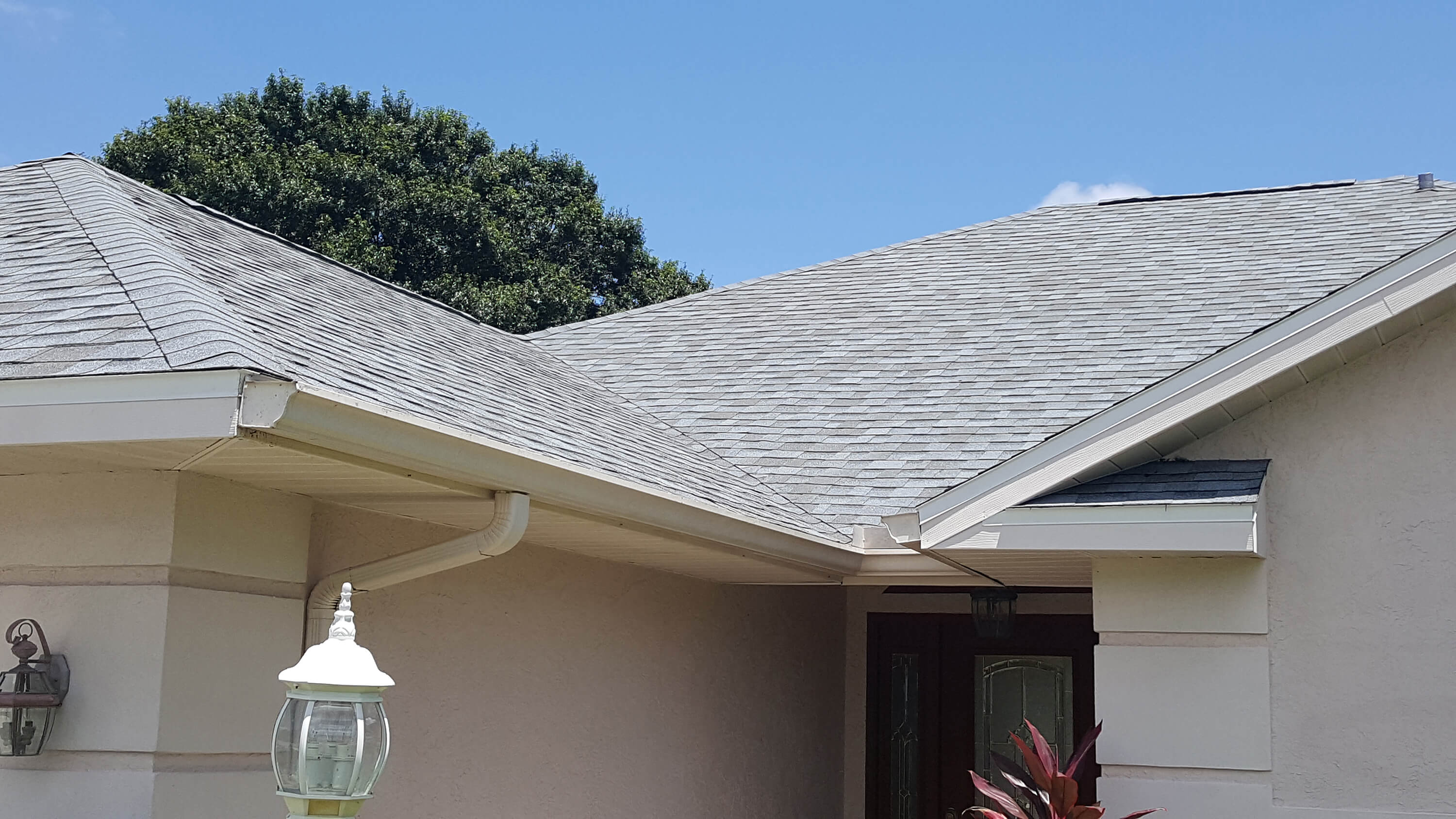
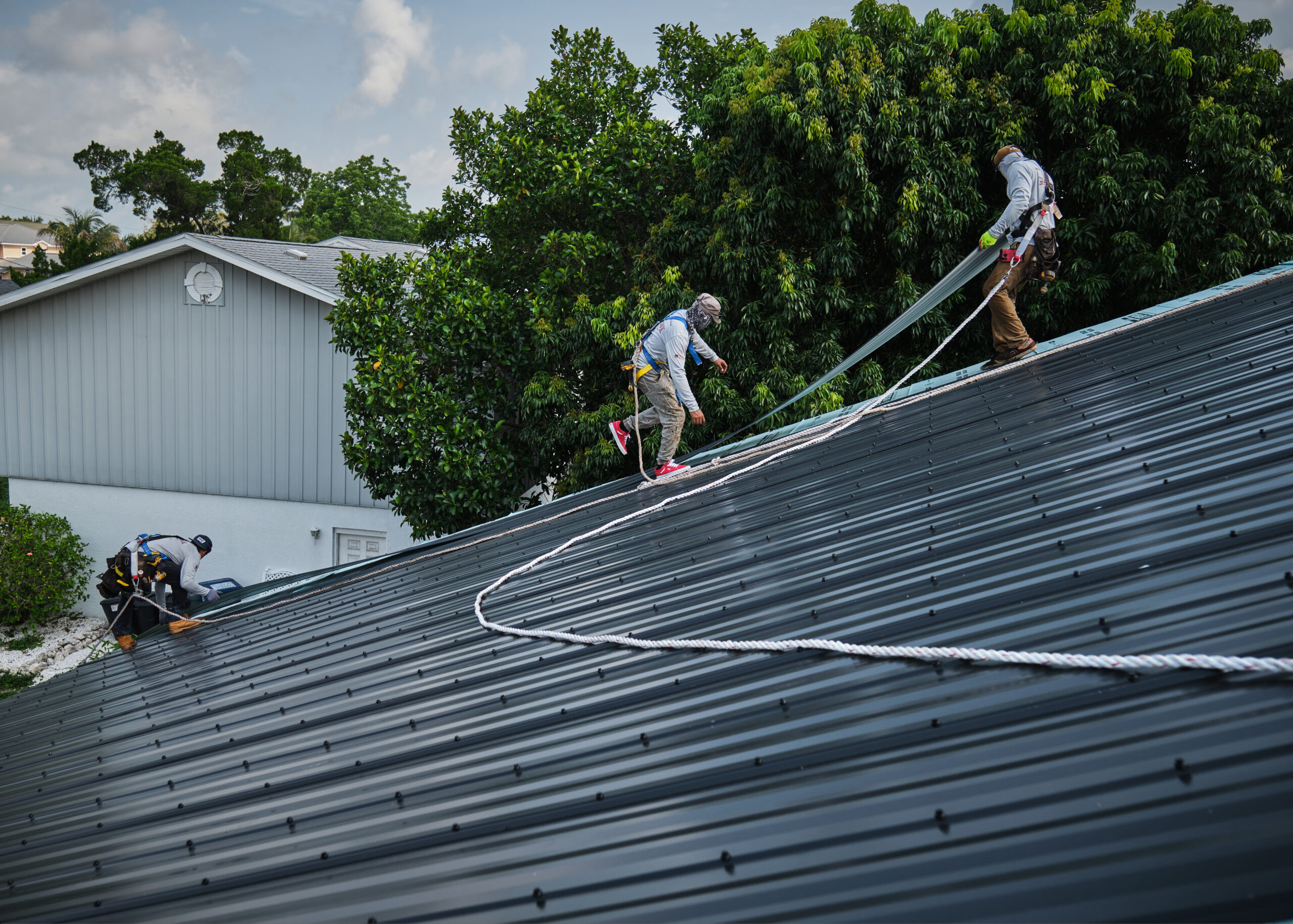
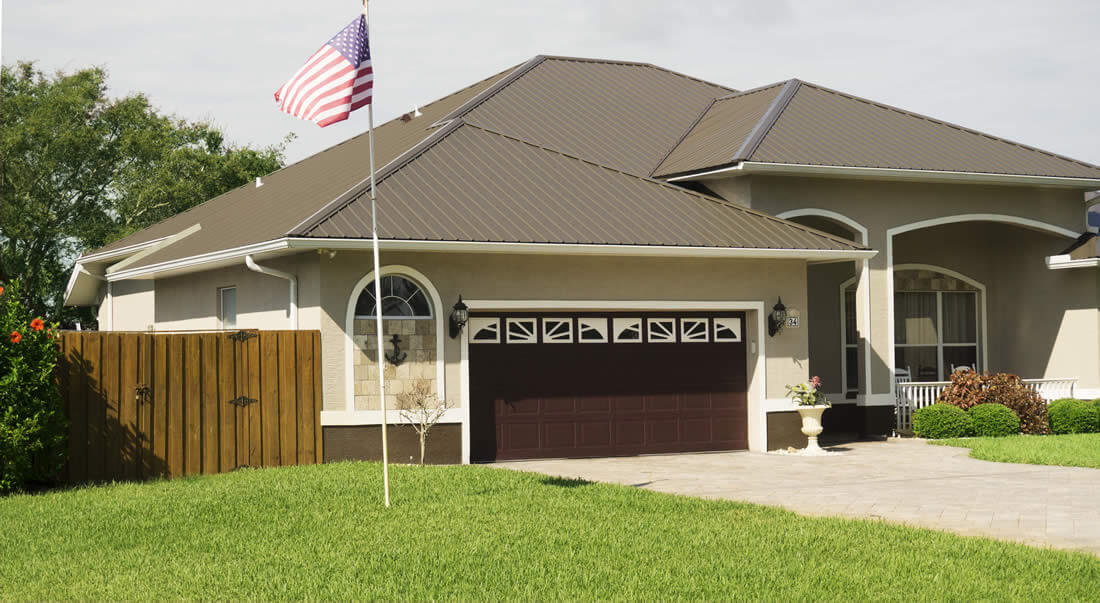
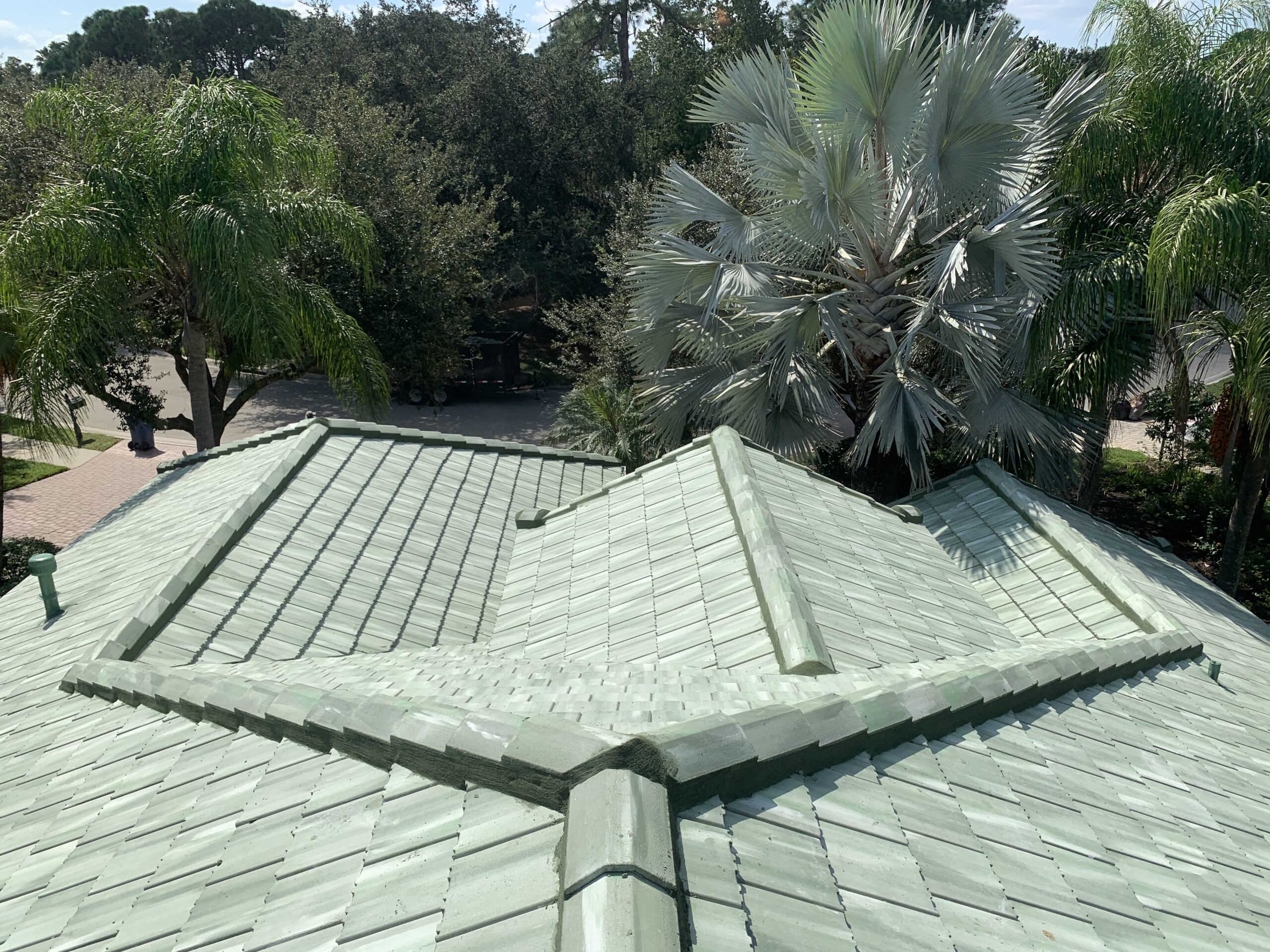
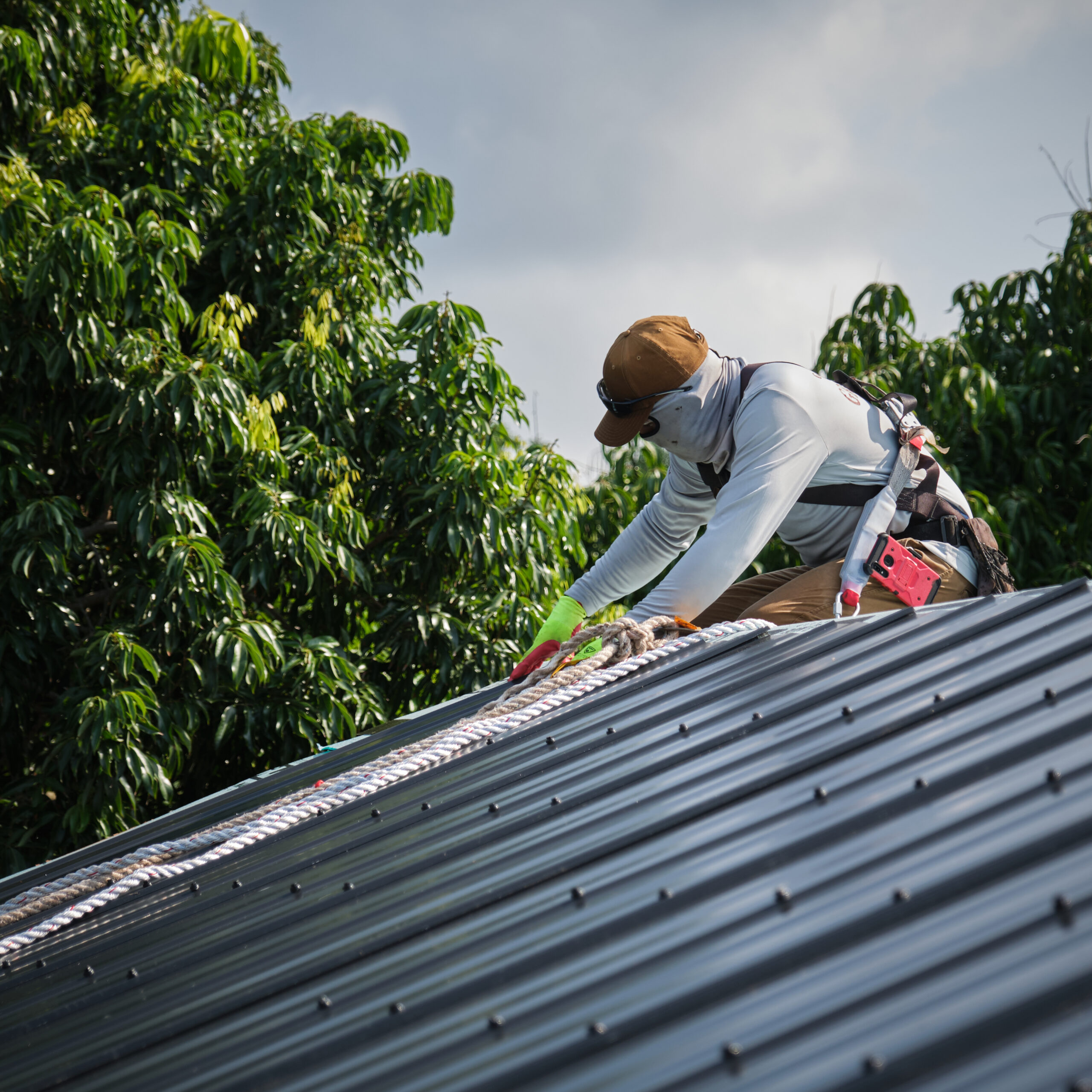
Your roof is your home’s first line of defense against strong winds and heavy rain from a storm. A properly reinforced roof system includes multiple components working together to protect your home.
Roof Inspection
Before hurricane season begins, start with a thorough roof inspection. Check for:
- Damaged or loose shingles
- Rusted metal components
- Signs of water damage in your attic
- Gaps around vents and chimneys
- Any other roof penetrations that could allow water infiltration
Hurricane Straps & Clips
These metal connectors create a continuous load path from your roof to your home’s foundation by securing roof trusses to wall frames and preventing uplift during high winds. A professional roofer can install these reinforcements from inside your attic space.
Water Barrier
A secondary water barrier adds a layer of extra protection under your shingles. This weatherproof underlayment adds an extra layer of protection under your shingles by sealing around nail holes and preventing water intrusion if shingles blow off during a storm.
Specialized Shingles
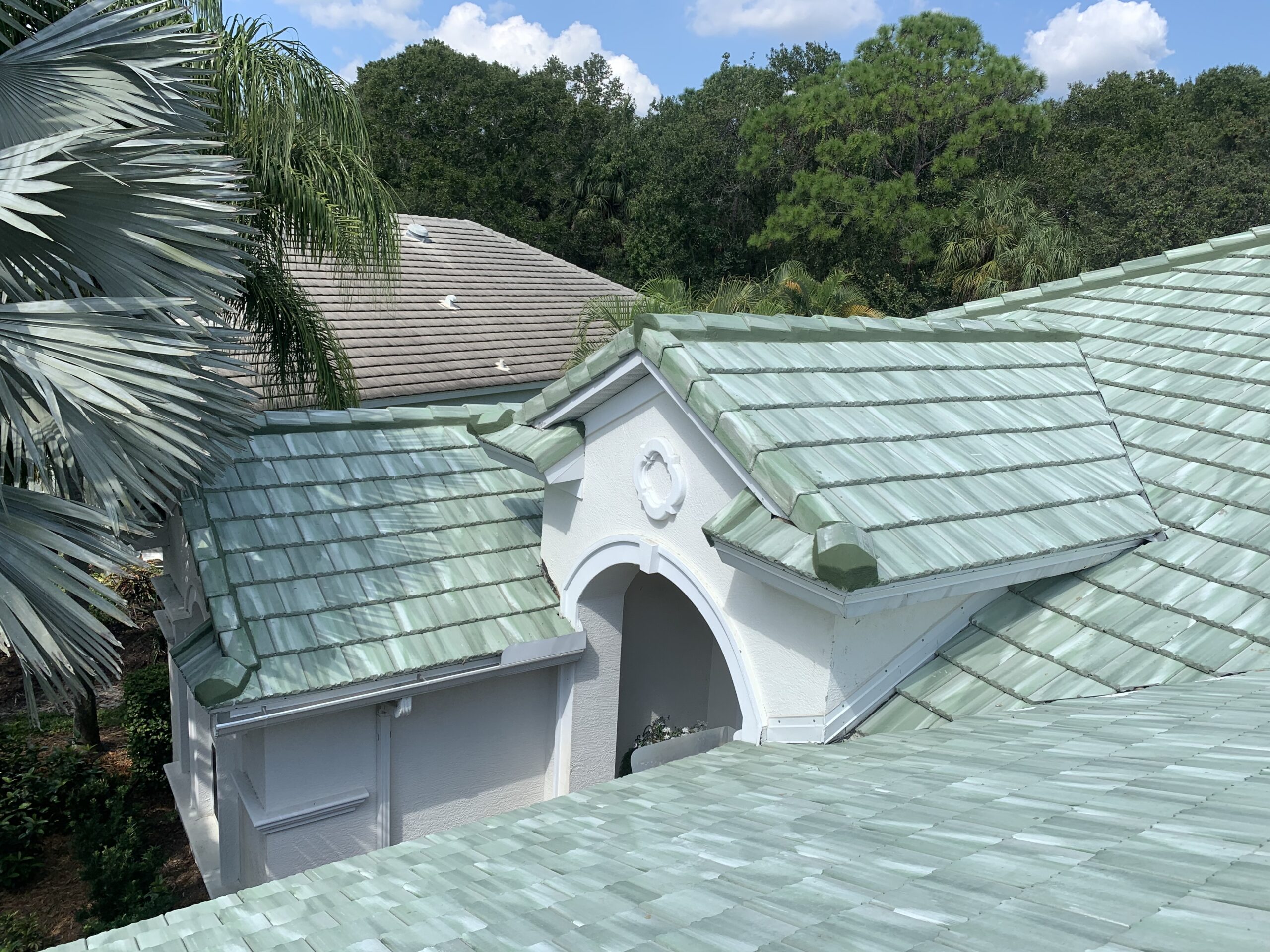
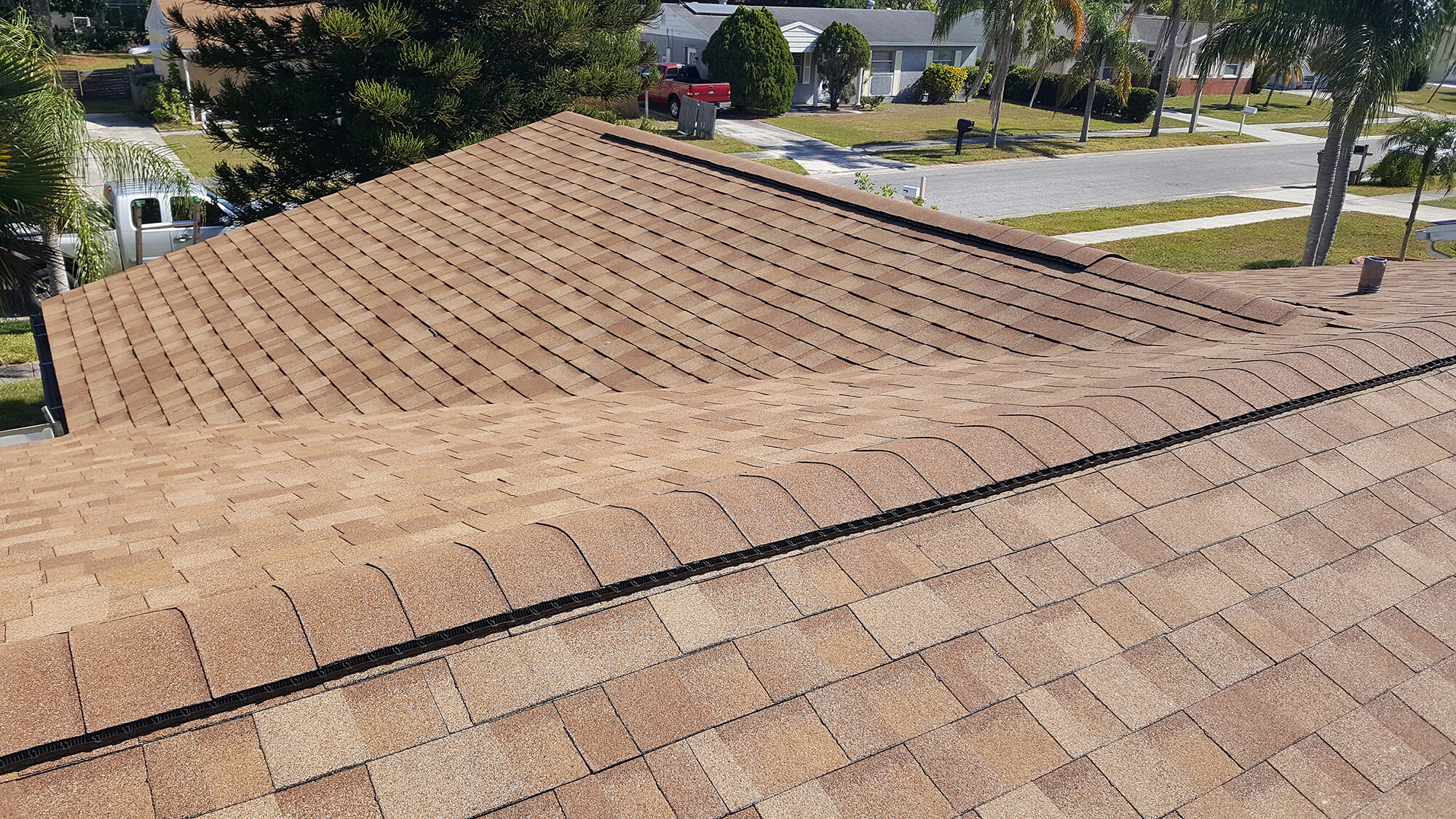
Impact-resistant shingles rated for high winds offer superior protection against flying debris and intense rain. These shingles use stronger materials than traditional asphalt shingles and are installed with advanced methods to stay secure in extreme conditions.
Ongoing Roof Maintenance
Regular maintenance helps identify potential weaknesses before storms hit. Clean your gutters seasonally, replace damaged shingles promptly, and check attic ventilation to prevent moisture buildup that can cause structural damage over time.
Professional installation makes a significant difference in roof performance during hurricanes. Proper nail placement, adequate overlap of materials, and careful sealing around edges all contribute to a storm-ready roof system.
Protecting Your Home’s Exterior
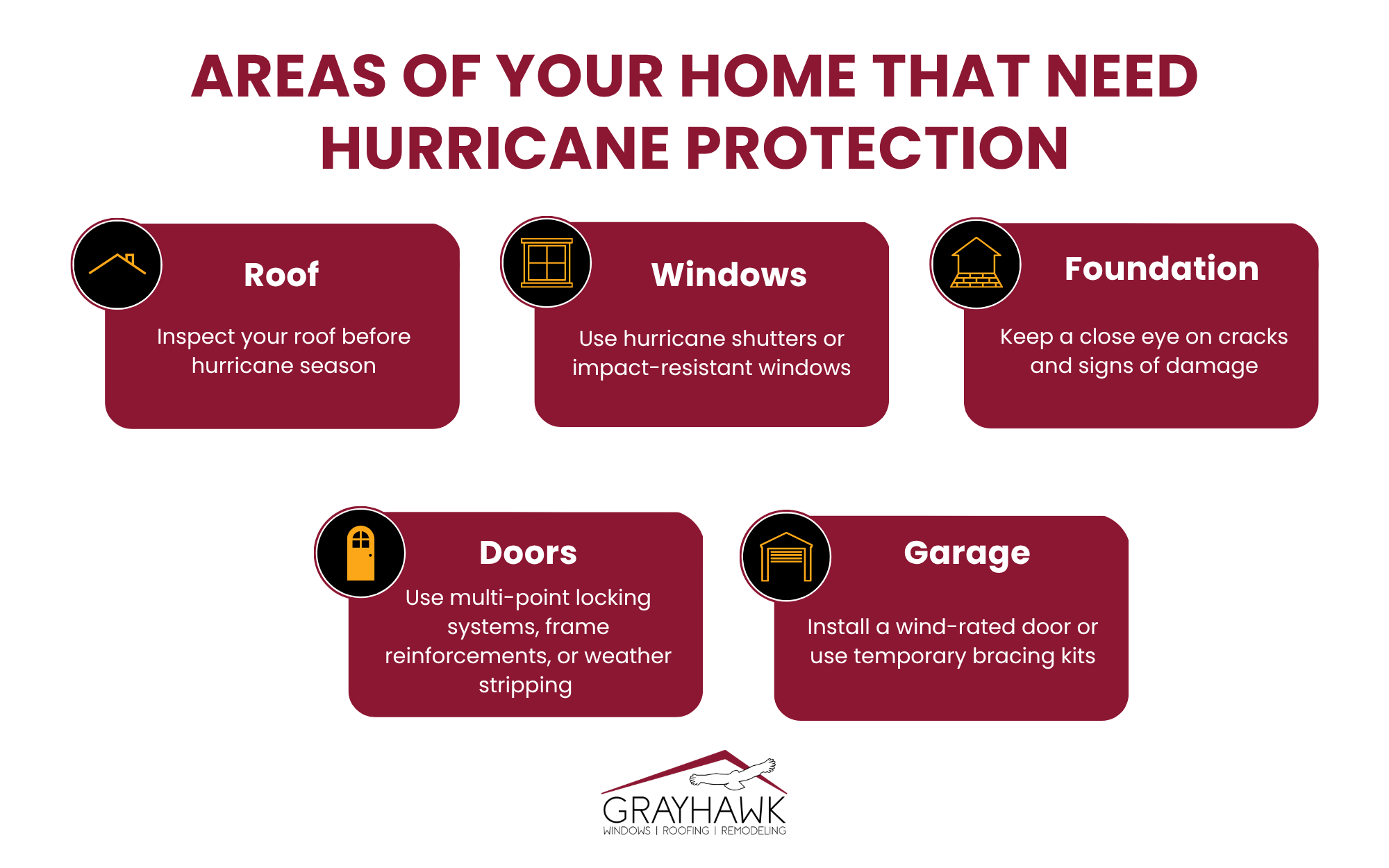
Windows
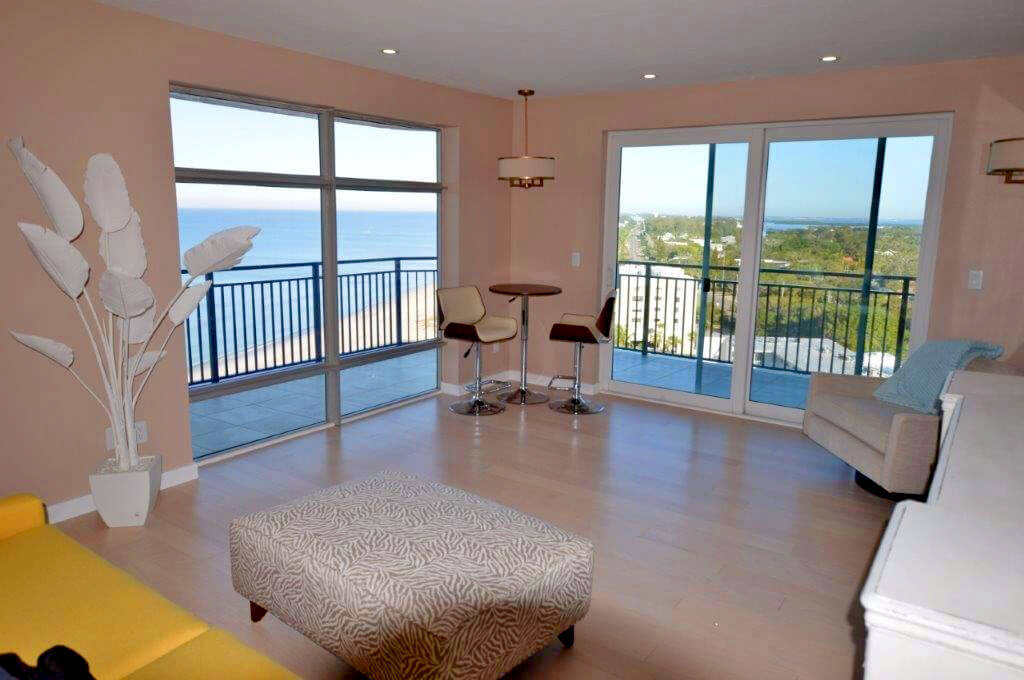
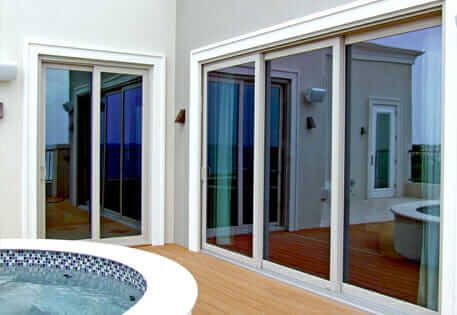
Your windows and doors are your home’s most vulnerable points during a hurricane. Impact-resistant windows feature a heavy-duty frame and shatterproof glass made with a layer of polyvinyl butyral between two sheets of glass. When struck, this glass may crack, but it still stays intact, unlike standard windows that can shatter and allow wind and water into your home.
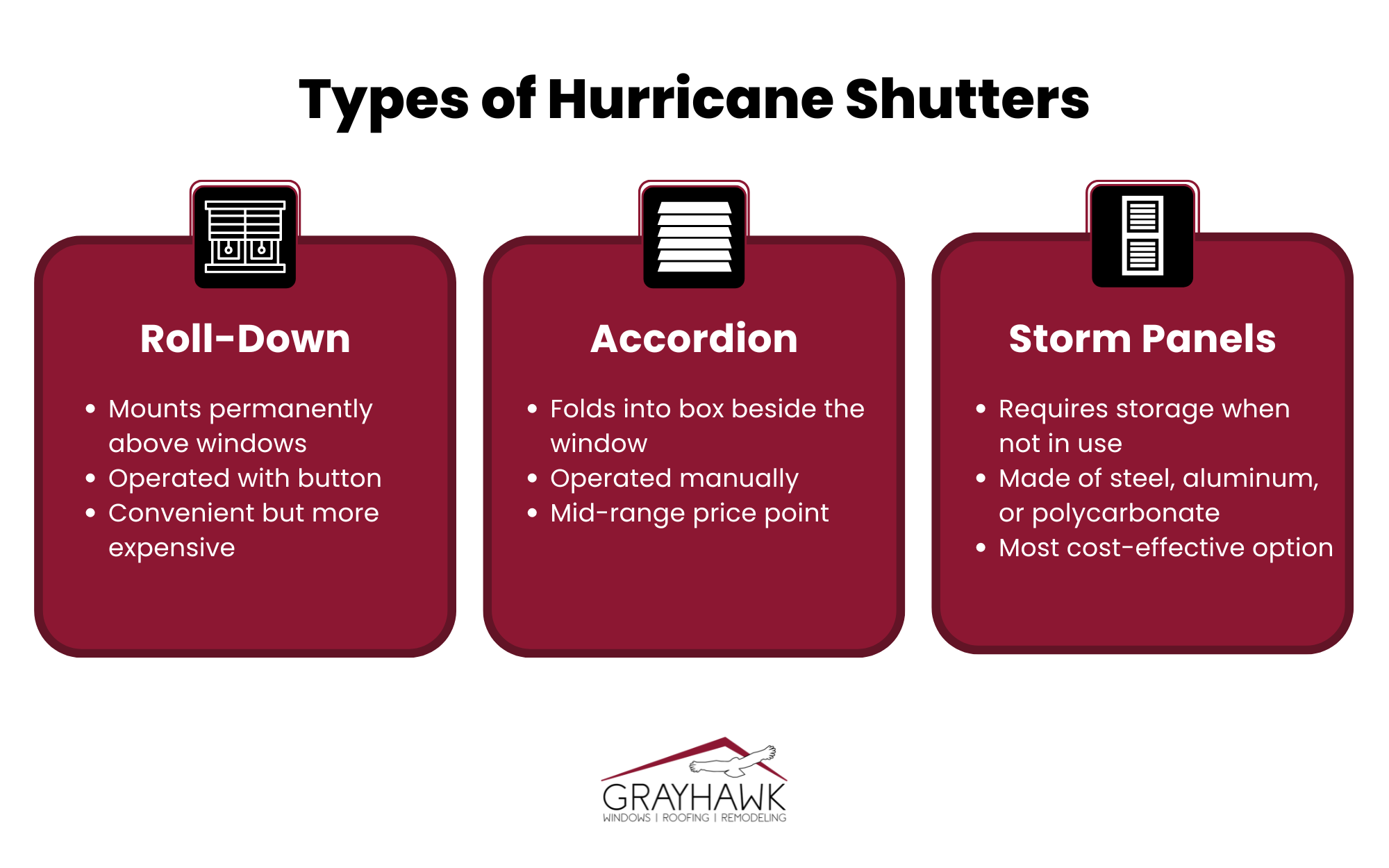
Hurricane shutters provide an additional layer of defense against flying debris:
- Roll-Down Shutters: These storm shutters mount permanently above your windows and deploy at the touch of a button, making them convenient but more expensive.
- Accordion Shutters: These shutters fold into a box beside your windows and pull across manually, offering good protection at a mid-range price point.
- Storm Panels: While these require storage when not in use, they are the most cost-effective option and can be made of steel, aluminum, or polycarbonate.
Doors
Protecting your exterior doors is crucial because they’re one of the weakest spots in your home during storms. When a door fails, it opens up your home to wind and water rushing inside. Once that happens, the pressure building up inside your house can cause major damage to your roof and walls. To protect your home, start with a solid core or steel entry door rated for high winds. Incorporate storm protection features, such as:
- Multiple-Point Locking Systems: These secure the door at several locations along the frame, significantly reducing the chance of failure during intense storms.
- Frame Reinforcements: Installing heavy-duty strike plates and longer mounting screws on the door frame adds stability.
- Weather Stripping: This creates a seal around the door to prevent water intrusion at the edges.
Garage
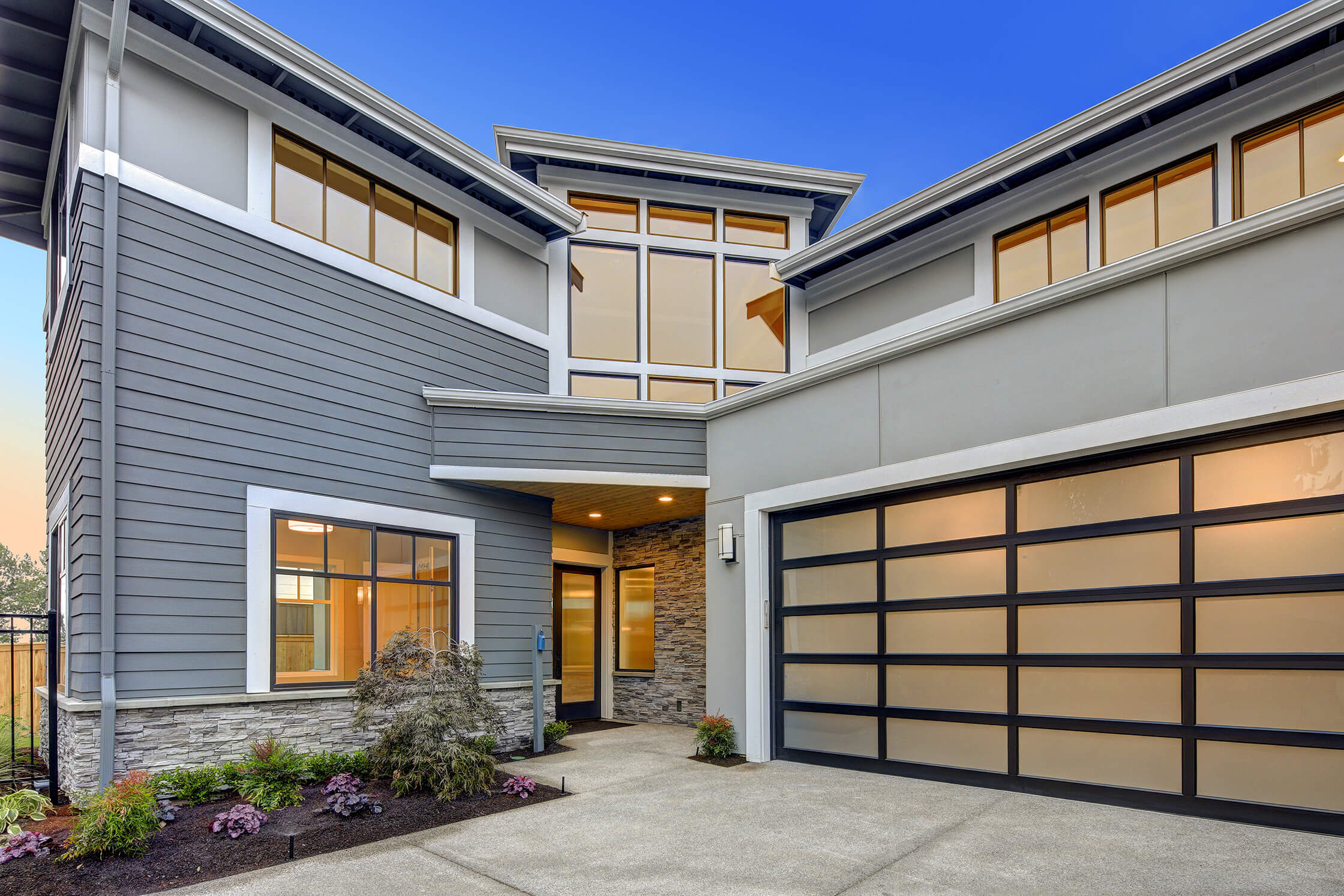
Your garage door represents one of your home’s most vulnerable points during a hurricane, while a solid foundation prevents structural failure. A standard garage door can buckle under intense wind pressure, potentially compromising your entire house.
Installing a wind-rated garage door offers superior protection against wind damage from hurricanes and other tropical storms. These doors, rated for winds up to 150 mph, feature:
- Reinforced frames
- Heavy-duty tracks
- Horizontal and vertical wind-distributing posts
- Stronger mounting hardware
If replacing your door isn’t possible, temporary bracing kits also provide additional support.
Foundation
Your foundation needs careful attention before hurricane season. A compromised foundation can’t properly support your home during high winds or catastrophic flooding. Keep a close eye on any:
- Visible cracks larger than 1/4 inch
- Uneven concrete surfaces
- Gaps between walls and foundation
- Signs of water damage or mold
Proper drainage prevents flooding and potential damage to your foundation. Install gutters with extended downspouts directing water at least 6 feet from your house. French drains help manage excess water around your property.
Waterproofing your foundation involves applying sealants to exterior walls and installing a sump pump system in flood-prone areas. For maximum protection, consider installing flood vents in your garage and foundation walls. These allow water to flow through your structure rather than build up pressure against it.
Managing Outdoor Spaces
Your yard’s condition plays a major role in protecting your home during hurricanes. Regular maintenance of outdoor spaces can prevent your items from becoming dangerous flying debris during storms.
Landscaping & Accessories
Trees need special attention in hurricane-prone areas, and a well-planned landscaping plan can add an extra layer of protection during a storm. Every month, walk your property to spot potential hazards and make sure that your outdoor spaces are prepared for any weather conditions.
- Remove dead, damaged, or diseased branches
- Trim back branches that hang over your roof or near windows
- For mature trees, consider hiring a professional arborist to thin out dense canopies. This allows wind to pass through instead of pushing against leaves and branches
- Plant new trees in groups instead of individually. This creates a natural windbreak and helps roots grow stronger together
- Keep smaller trees and bushes at least 10 feet from your house to prevent them from damaging your home’s exterior during hurricane-force winds
During hurricane season (June through November), check your yard more frequently. When a storm approaches, the following outdoor furniture and decoration items should be brought inside, including:
- Patio furniture and umbrellas
- Potted plants and hanging baskets
- Grills and outdoor kitchen equipment
- Children’s toys and sports equipment
- Bird feeders and wind chimes
Additional Protection
While structural improvements provide physical protection, a complete hurricane preparedness strategy includes proper insurance coverage and thorough documentation of your property.
Keep Up-to-Date Records
Having updated documentation on hand speeds up potential insurance claims. Before hurricane season, photograph or video every room in your house, focusing on valuable items and recent improvements. Store these records alongside digital copies of important documents like property deeds, recent tax assessments, and renovation receipts.
Check Insurance Coverage
Review your homeowners insurance policy annually to understand what hurricane damage is covered. Standard policies often exclude flood damage, so a separate flood insurance policy may be necessary. Document your policy numbers and insurance contact information in a waterproof container or digital cloud storage.
Protect Your Home with Hurricane Shutters & More from Grayhawk Remodeling
Taking steps to hurricane-proof your home can protect your property and family when severe weather strikes. Each reinforcement or improvement adds an extra layer of protection against powerful storms. While hurricane-proofing costs can vary based on your specific needs, most upgrades pay for themselves by preventing expensive storm damage and potentially lowering insurance premiums.
Before hurricane season begins, schedule a professional roofing inspection to identify vulnerable areas of your home that need attention. This gives you time to complete necessary upgrades and repairs when contractors aren’t overwhelmed with emergency work.
Ready to strengthen your home against hurricanes? Grayhawk Remodeling has protected homes in Bradenton County and Sarasota County for over 30 years. Our experienced team specializes in hurricane-resistant windows, reinforced roofing, and more storm protection solutions. Get a Free Quote today for a free consultation to discuss how we can help safeguard your home against severe weather.