
Single vs Double Hung Windows
Nov 26, 2025At a Glance: Single hung windows have only a bottom sash that opens, while double hung windows feature both top and bottom sashes that open independently. Double hung windows offer more flexibility for ventilation and easier cleaning, but single hung windows typically cost less and require less maintenance.
Choosing between single and double hung windows affects more than just your home’s appearance. This decision impacts your monthly energy bills, how easily you can clean your windows, and how well you can control airflow throughout your rooms. Both window styles work well in residential homes, but they serve different needs and budgets. Single hung windows offer a budget-friendly option that works perfectly for many homeowners, while double hung windows provide added convenience that some families find worth the extra investment. The right choice depends on your specific situation, including which rooms need new windows, how often you plan to clean them yourself, and what features matter most to your household.
What Are Single Hung Windows?
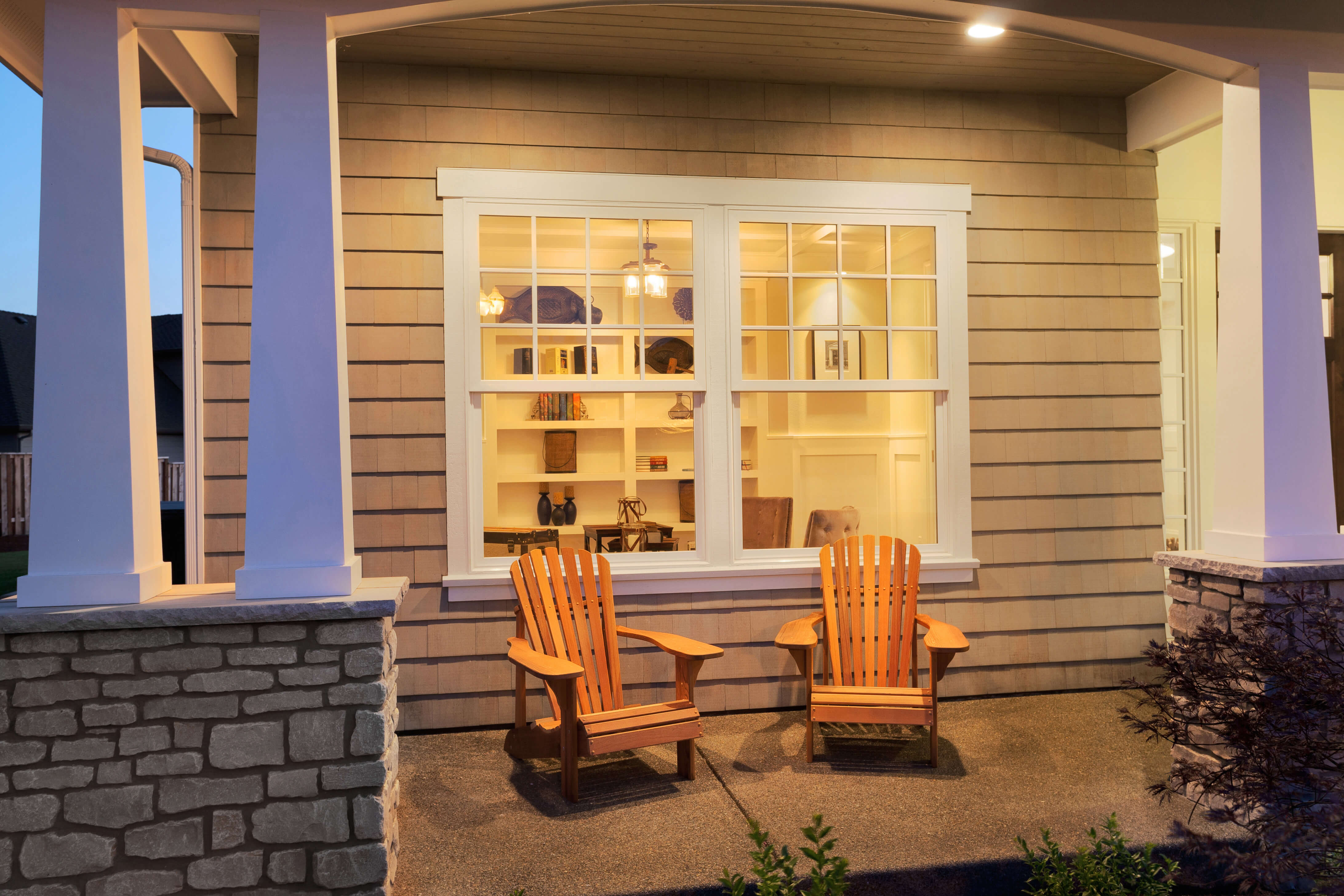
Single hung windows are one of the most popular and traditional window styles found in American homes. These windows feature two panels, called sashes, stacked vertically within the frame. The defining characteristic of a single hung window is that only the bottom sash opens and closes, while the top sash stays permanently fixed in place. This straightforward design has made single hung windows a popular choice for homeowners looking for a reliable, budget-friendly option that still provides good ventilation and natural light.
How Single Hung Windows Work
Operating single hung windows is simple. When you want to open the window, you lift the bottom sash upward along a track built into the window frame. This bottom panel can slide up to roughly the halfway point of the window opening, allowing air to flow in from the bottom while the upper portion remains sealed. The top sash is permanently attached to the frame and doesn’t move at all. This design uses fewer moving parts compared to other window types, which means there are fewer components that can wear out or break over time. Most single hung windows include a locking mechanism at the center where the two sashes meet, providing security when the window is closed.
Advantages of Single Hung Windows
Single hung windows offer several benefits that make them attractive to many Florida homeowners.
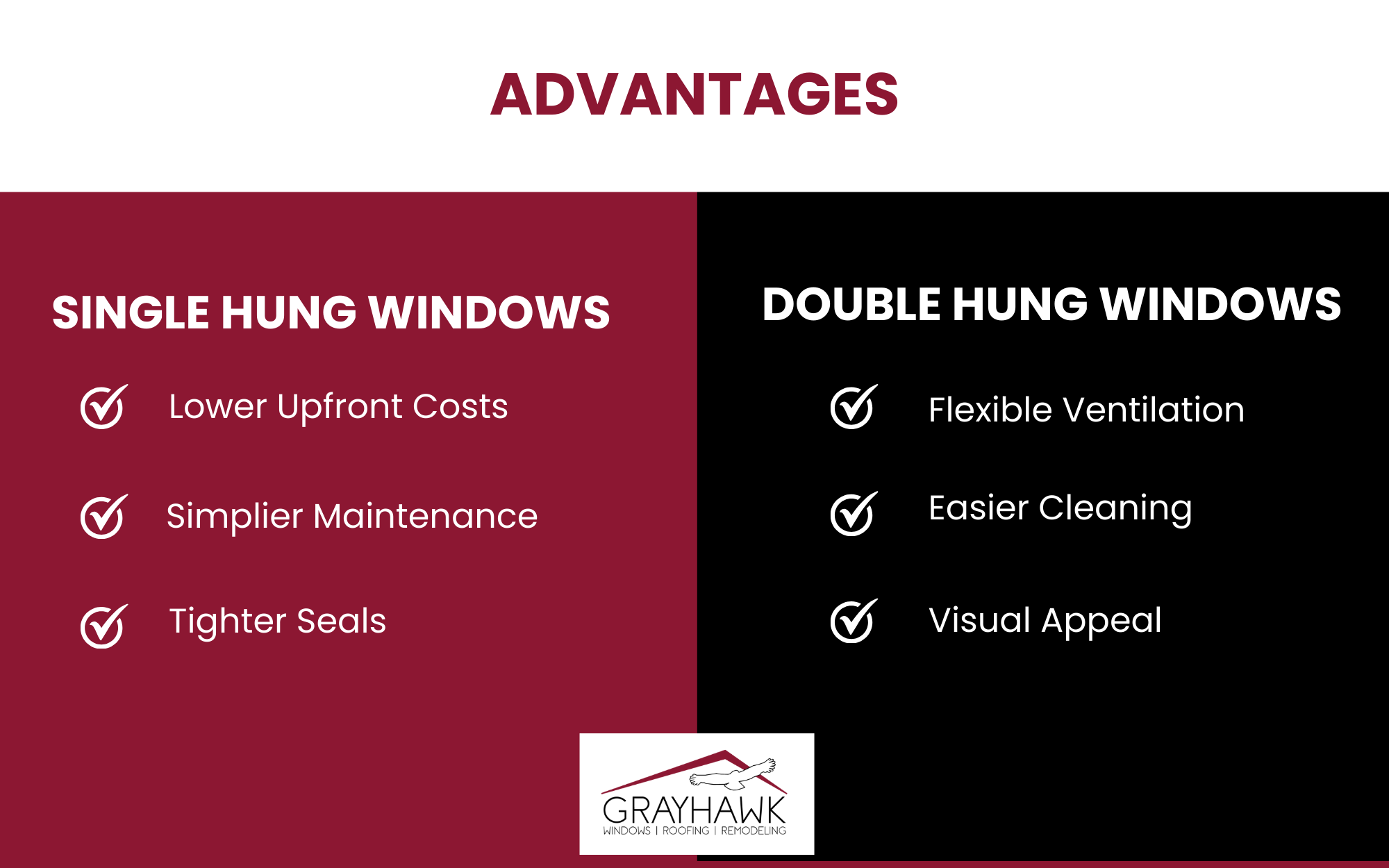
- Lower Upfront Cost: Because only one sash moves, manufacturers use fewer mechanical components, which translates to savings. This simpler construction also means
- Easier Maintenance: The simple construction has fewer moving parts, so there’s less things that will malfunction or require adjustment.
- Tighter Seal: Since the top sash never moves, it can be sealed more permanently to the frame, reducing the potential for air leakage around that portion of the window. This can also help with energy efficiency.
- Durability: The straightforward design of single hung windows has stood the test of time, and with proper installation, these windows can last for decades without major issues.

Disadvantages of Single Hung Windows
Despite their benefits, single hung windows do come with some limitations.
- Restricted Ventilation Options: Since only the bottom half opens, you’re limited in how much airflow you can create. This can be a concern during milder months when you want to use natural ventilation without running the air conditioner.
- Less Airflow Control: Since you can’t open the top sash to let hot air escape from the ceiling area, you have less control over directing airflow throughout the room.
- More Difficult Cleaning: Because the top sash doesn’t move, cleaning the exterior glass surface from inside your home can be difficult or even impossible. For second-story windows, you’ll need a ladder and someone to hold it steady, or you may need to hire a professional window cleaning service.
What Are Double Hung Windows?
Double hung windows feature two separate window sashes stacked vertically within a single frame. Unlike their single hung counterparts, both the upper and lower sashes move up and down independently along tracks built into the window frame. This design gives you complete control over which part of the window opens and how much airflow enters your home.
How Double Hung Windows Work
Double hung windows have a more sophisticated system than single hung models. Both operable sashes slide vertically using a balance system that keeps them in place at any position you choose. Spring-loaded mechanisms or weighted counterbalances make lifting and lowering the sashes smooth and manageable, even for larger windows.
Many modern double hung windows include a tilt-in feature that lets you pivot both sashes inward from the top. This design makes cleaning the exterior glass from inside your home straightforward, which is particularly helpful for second-story windows. The frame contains multiple sets of weatherstripping and locking points to create a tight seal when closed. This window needs additional hardware components for each movable sash, so they usually have more components compared to single hung window styles.
Advantages of Double Hung Windows
- Flexible Ventilation Control: Opening only the bottom sash is used for standard airflow, opening just the top sash lets warm air escape from the ceiling area, and opening both sashes allows for maximum air circulation.
- Easier Cleaning: You can wash both sides of the glass while standing safely inside your home, eliminating the need for ladders or professional window washing services.
- Visual Appeal: Double hung windows fit various architectural styles, making them adaptable to different home and room designs.
Disadvantages of Double Hung Windows
- Higher Upfront Costs: The added functionality often creates higher costs for both the window unit itself and professional installation compared to single hung options.
- Increased Repair Needs: The increased number of moving parts and seals creates more potential repair needs over time.
- Lower Energy Efficiency: Double hung models require more weatherstripping and seal points where air can potentially leak.
- Maintenance Component Replacement: Sash locks, balance systems, and tilt mechanisms may wear out and require replacement after years of regular use.
Comparing Single vs Double Hung Windows: Which Is Right for You?
Choosing between single and double hung windows comes down to balancing your budget, maintenance preferences, and how you’ll use the windows in your home. Both styles offer reliable performance, but understanding the practical differences will help you make the right decision for your specific situation.
Cost Comparison
Single hung windows typically cost less than double hung models, making them an attractive option when you’re replacing multiple windows throughout your home. The price difference stems from the simpler construction of single hung windows. Since these windows have only one moving sash instead of two, there are fewer parts and mechanisms involved.
Installation costs remain roughly the same for both types since they fit into standard window openings and require similar labor. The real difference shows up in the upfront purchase price, which can add up quickly if you’re replacing ten or more windows. However, that initial savings with single hung windows should be weighed against the long-term convenience that double hung models provide, especially for second-story or hard-to-reach installations.
Maintenance Requirements
Both window types need standard care like cleaning, caulking, and checking for air leaks, but double hung models have more components that might eventually need repair or adjustment.
Single hung windows generally need less maintenance because the fixed upper sash has fewer moving parts that can wear out. You’ll still need to check weatherstripping annually and repaint or reseal frames every few years, but the simpler design means fewer potential problems down the road.
Double hung windows require occasional attention to the balance mechanisms that allow both sashes to move smoothly. These springs or weights can wear out and may need replacement. The tilt-in feature that makes cleaning easier also relies on pivot points and locks that should be inspected periodically to keep working properly.
Best Use Cases for Each Type
Choose Single Hung Windows If:
- You’re working with a tight budget and need to replace multiple windows without breaking the bank
- Your windows are on lower floors where you can easily clean the exterior from outside with a ladder
- You want straightforward, reliable operation without extra features to maintain
- Energy efficiency is a top priority, since the fixed upper sash creates fewer potential air leak points
Choose Double Hung Windows If:
- You want easier ongoing cleaning access for upper floors
- You want better ventilation control
- You value convenience and flexibility in your daily life
- You plan to stay in your home long-term and want additional features for maintenance
Find the Right Window for Your Home with Grayhawk Remodeling
Choosing between single hung and double hung windows comes down to what matters most for your home. Single hung windows deliver affordability and straightforward operation, making them a smart choice if budget is your primary concern. Double hung windows cost more upfront but offer easier cleaning, improved airflow control, and greater flexibility for upper-floor installations. Both styles perform well when installed correctly and can stand up to heat, humidity, and storm conditions. When making your decision, think about your budget, which rooms need new windows, and how much you value convenience compared to cost savings.
Grayhawk Remodeling has helped Bradenton-area homeowners choose and install the right windows for over thirty years. Our experienced technicians understand Florida’s specific climate needs and can help you choose windows that improve comfort and energy efficiency. Grayhawk’s experts will walk you through your options and provide honest window replacement recommendations for your personal preferences. Get a Free Quote today to discover which window style is right for your home today.