

Metal Roof vs Asphalt Shingles: What to Use for Your Home
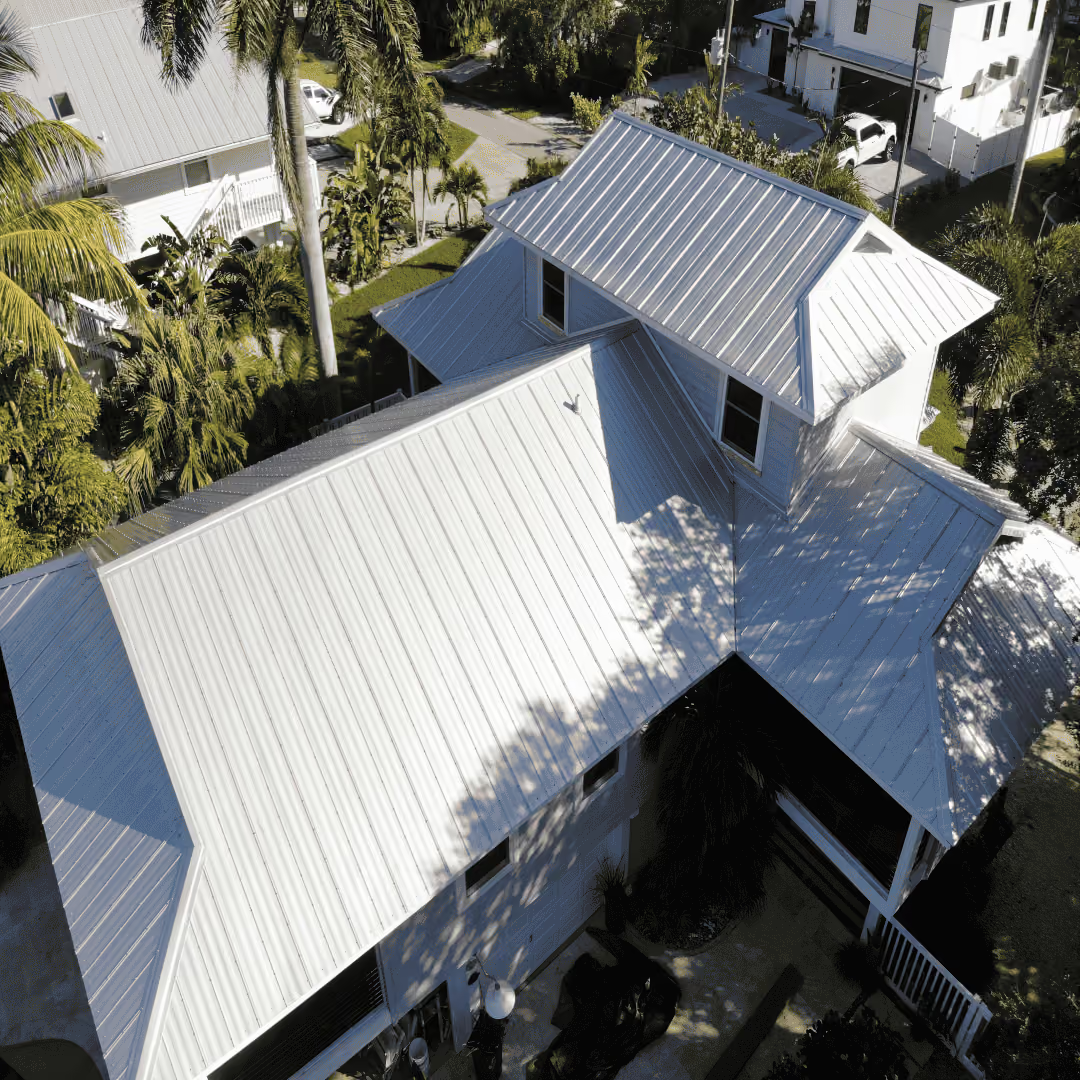
At a Glance: Metal roofs typically last longer and offer superior durability in a range of climates, while asphalt shingles are more budget-friendly. For homeowners, metal roofing offers better resistance to harsh weather, such as hurricanes, while asphalt shingles remain a practical choice for those in milder climates and those with tighter budgets.
Choosing the right roofing material is one of the most significant decisions homeowners face when building or renovating. These materials offer different benefits for different climates, budgets, and home types, so the choice between metal roofing and asphalt shingles deserves careful consideration.
By examining how these two popular residential roofing options compare across the factors that matter most in their region, homeowners can make an informed decision. In addition to costs, durability differences, and performance capabilities of both materials, long-term conditions like maintenance needs, weather conditions, and long-term value must be considered. Whether you’re replacing aging construction or building a new roof, understanding these differences will guide you toward the best investment for your specific situation.
Initial Cost and Long-Term Value
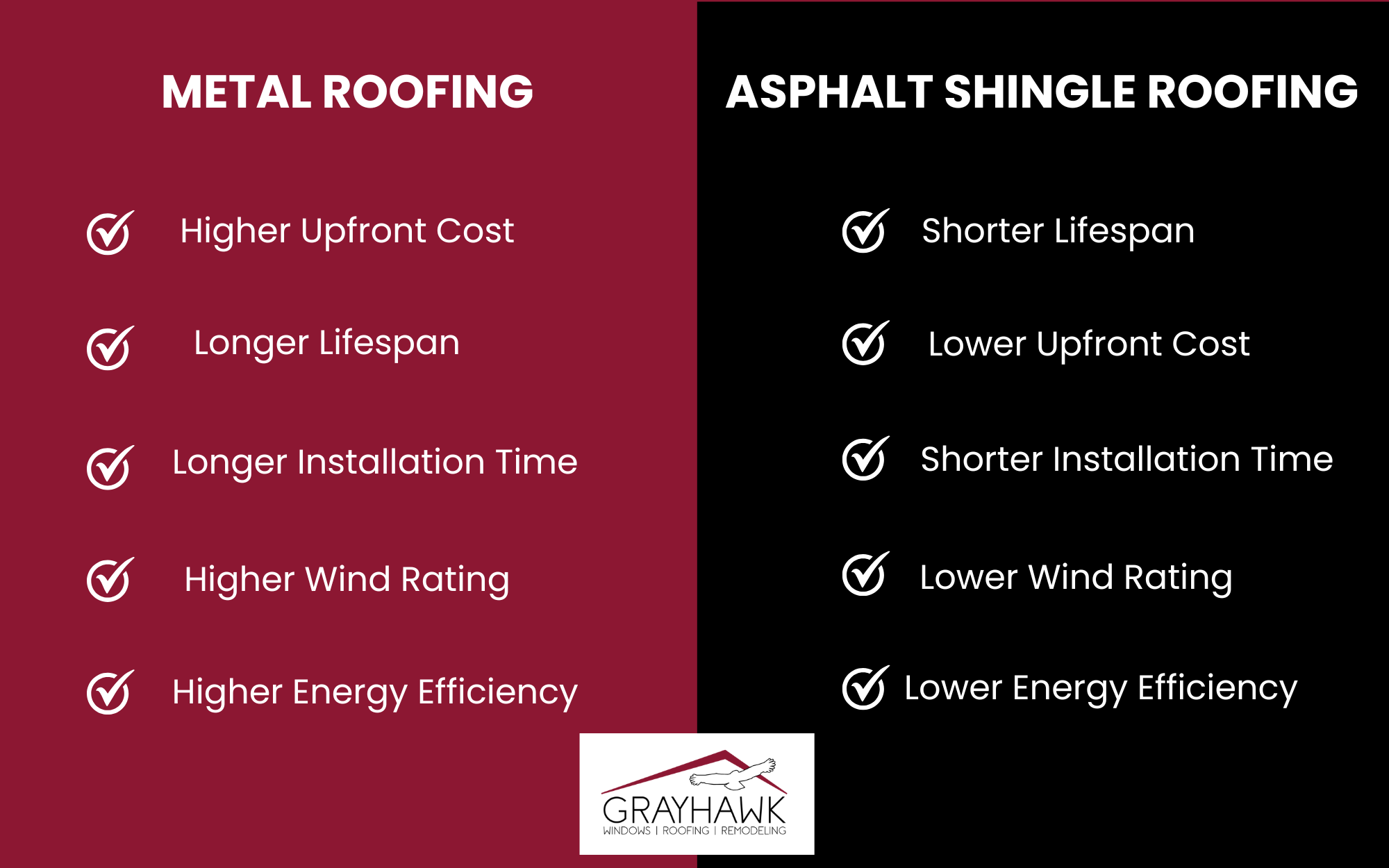
Metal roofing typically costs more per square foot installed compared to asphalt shingles. Installation time frames also differ significantly between these materials:
- Asphalt shingle roof installation usually takes 2-3 days with a standard crew.
- Metal roofing requires specialized expertise and typically takes 4-7 days to install properly.
The longer installation time for metal contributes to its higher upfront labor costs.
Despite higher initial expenses, metal roofs often prove more economical over time. Metal panels last 40-70 years compared to 15-25 years for asphalt shingles, reducing roof replacement frequency and maintenance costs.
Coastal climates make metal roofing particularly advantageous. Metal reflects up to 77% of solar heat, potentially reducing cooling costs during hot summers. Asphalt shingles absorb more heat, resulting in higher air conditioning expenses.
Insurance Benefits
Some insurance companies offer discounts for metal roofs due to their superior wind resistance and fire resistance. Asphalt shingles typically carry lower wind ratings and don’t qualify for the same premium reductions. This makes metal roofing an appealing option for many in coastal regions like Florida, where hurricanes and harsh storms are common.
Both options meet Florida building codes, but metal roofing’s durability and performance in harsh weather conditions make it an increasingly popular choice despite the higher upfront investment.
Durability and Weather Resistance
When comparing metal roofs and asphalt shingles, durability in different climates becomes a major deciding factor. A metal roof installation typically lasts 40-70 years with proper maintenance, while traditional asphalt shingles generally need replacement after 15-25 years. This significant lifespan difference affects long-term cost effectiveness for homeowners.
Weather-Related Risks
Both roofing types face distinct weather-related challenges. Metal roofs can dent from large hail impacts, though they rarely leak as a result. Asphalt shingles may be damaged over time due to heavy rains and strong winds, potentially shortening their effective lifespan. However, modern asphalt shingles with proper installation can provide reliable protection through most weather events, though they may require more frequent maintenance than metal alternatives.
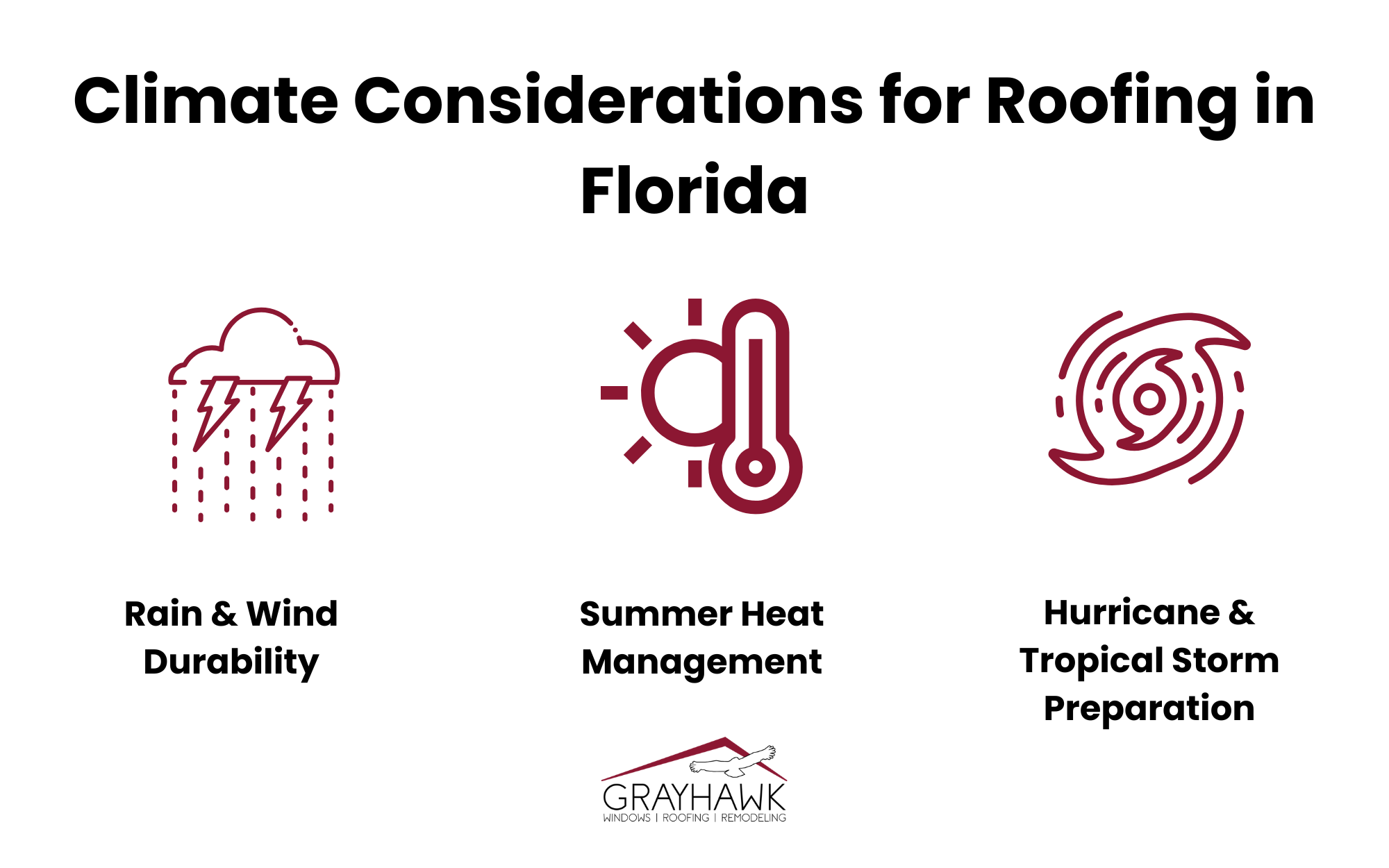
Florida Climate Considerations
Florida’s intense weather puts unique demands on roofing materials. Metal roofs excel in heat reflection, helping reduce cooling costs during hot summers. They also maintain their protective qualities under constant UV exposure, while asphalt shingles may deteriorate more quickly from sun exposure. In coastal areas, metal roofs resist salt air corrosion when properly coated, while asphalt shingles can experience accelerated aging from salt exposure.
Hurricane and Storm Protection
Florida’s hurricane season demands roofing that can withstand extreme weather conditions. During storms, metal roofs prove more resistant to impact damage from flying debris and hail. Metal roofs often have higher wind ratings than asphalt shingles, which typically carry ratings between 110-130 mph. However, some high-end architectural shingles can match metal’s wind resistance.
Maintenance and Care Requirements
Metal roofs and asphalt shingles have different maintenance needs for residential homes. Here’s what you need to know about keeping both types of roofing in top condition.
Metal Roof Maintenance
Metal roofs need less maintenance and upkeep compared to other roofing materials. A yearly inspection helps spot any loose fasteners or damaged panels. Walk the roof surface gently or use binoculars from ground level to check for scratches, dents, or areas where sealant might need touching up. Simple cleaning with water and mild soap removes dirt buildup and prevents corrosion.
Asphalt Shingle Care
Asphalt shingles require more regular maintenance. Check your roof twice yearly and after major storms. Look for curled, cracked, or missing shingles and clear any debris from the gutters. Moss or algae growth, common in humid climates, needs prompt treatment with appropriate cleaning solutions to prevent shingle deterioration.
Hurricane Season Preparation
In coastal regions where there is a high risk of tropical storms, both roof types need special attention. For metal roofs, check all fasteners and ensure panels are secure. With asphalt shingles, replace any damaged or loose pieces. Clear gutters and downspouts to prevent water backup. Professional inspections ahead of hurricane season help identify potential problems before storm season hits.
Summer Heat Management
Intense summer heat affects both roofing types differently. Metal roofs reflect heat naturally but may need occasional recoating to maintain their reflective properties. Asphalt shingles can soften in extreme heat, making them more prone to damage. Good attic ventilation helps both roofing types perform better and last longer.
Professional Maintenance Schedule
For both roof types, schedule professional inspections annually. Metal roofs might need fastener checks every 2-3 years. Asphalt shingles often need professional cleaning every 3-4 years to remove stubborn stains and biological growth. After severe weather events, prompt professional assessment prevents small issues from becoming major problems. Remember that proper maintenance extends roof life and protects your investment. The specific care requirements of your roof may vary based on your home’s location and exposure to weather elements.
Making Your Roofing Decision with Grayhawk Remodeling
The choice between metal roofing and asphalt shingles comes down to your specific situation and priorities. Metal roofs typically cost more upfront but are more durable and last longer, while asphalt shingles offer a budget-friendly option. For Florida homeowners, both choices can work well when properly installed.
Your choice should factor in your budget, how long you plan to stay in your home, and the unique weather patterns where you live. If you’re planning to live in your home for decades, a metal roof’s durability and energy efficiency could make it worth the investment. For shorter-term homeownership, quality asphalt shingles provide reliable protection at a lower cost.
Making an informed choice becomes easier with professional guidance. Grayhawk Remodeling brings over 30 years of local experience installing both metal and asphalt roofs in Manatee and Sarasota counties. Our team understands Florida’s specific roofing requirements and can help you select the best option for your home. Get a free quote today and let our experts walk you through your roofing options.


Bring Your Vision to Life
Collaborate with our certified designers in real time—make updates on the spot and watch your vision evolve right before your eyes.